

“For Skiers.”
for:
SPYDER
SPECIALTY OUTDOOR APPAREL
2024-2025 | NORTH AMERICA & EUROPE

Value Summary:
Brand used as a decision lens to guide creative direction, audience focus, and execution during a moment of organizational reset.
The problem
A heritage ski brand with global distribution was at risk of losing its center.
Following M&A activity and leadership turnover, the brand needed to reestablish its point of view in the market. The challenge wasn’t awareness or product quality, it was identity. Internally, the question wasn’t what should we sell next? but who is this brand actually for now?
The risk was about becoming generic.
Left unchecked, the default path would have been another product-led, sales-driven campaign. Effective in the short term, but disconnected from what had made the brand meaningful in the first place.
The decision
The brand chose to narrow its focus rather than broaden it.
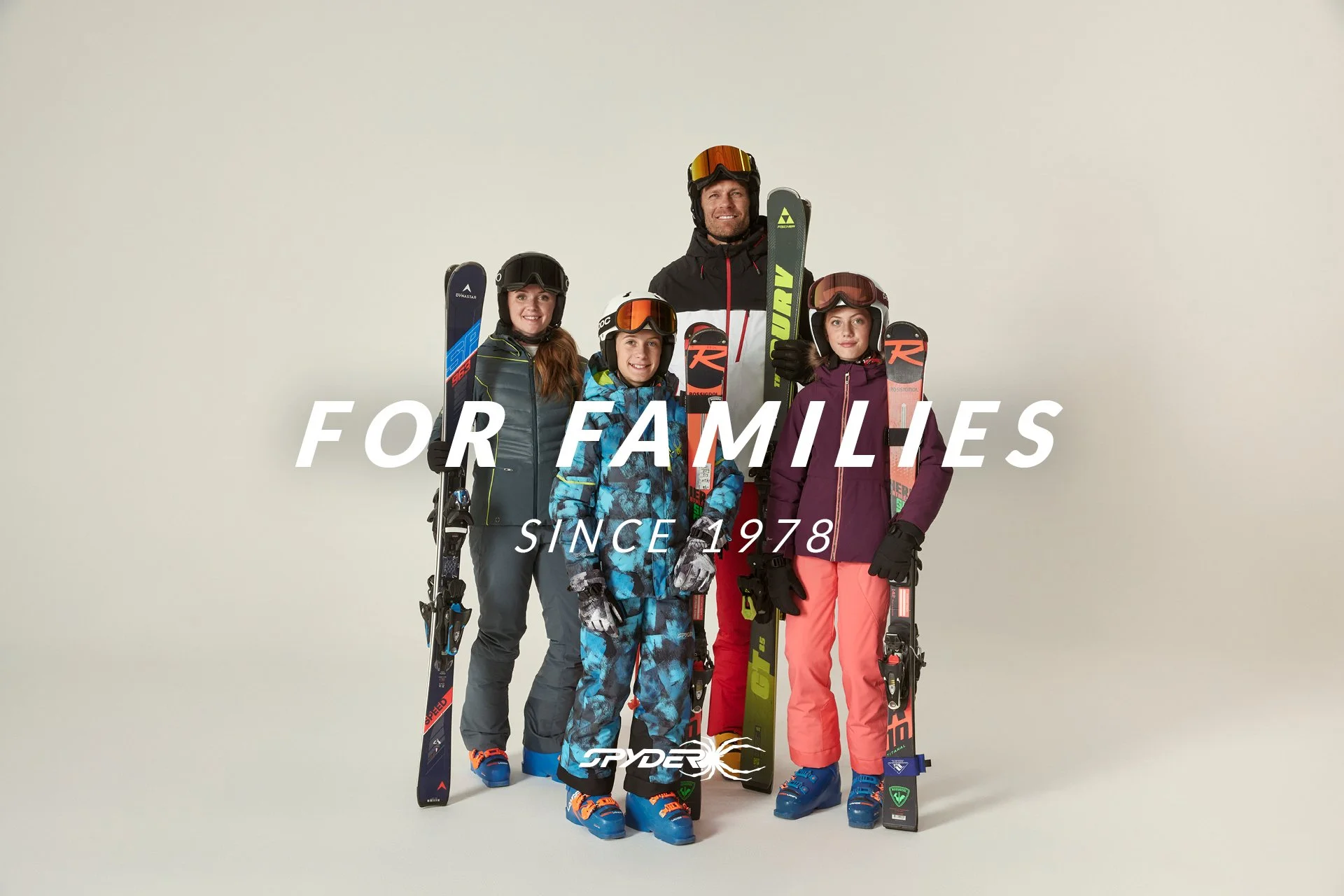
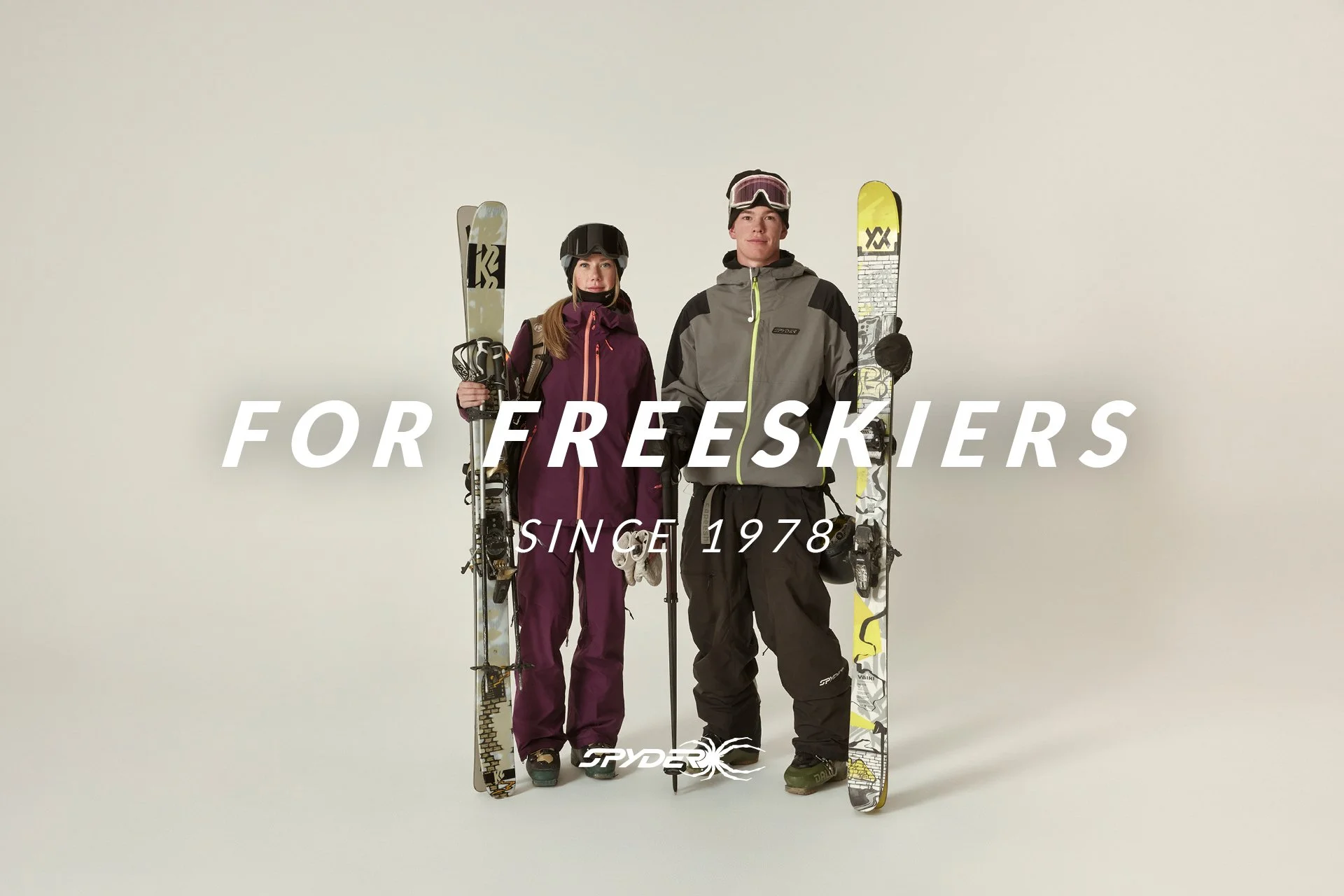
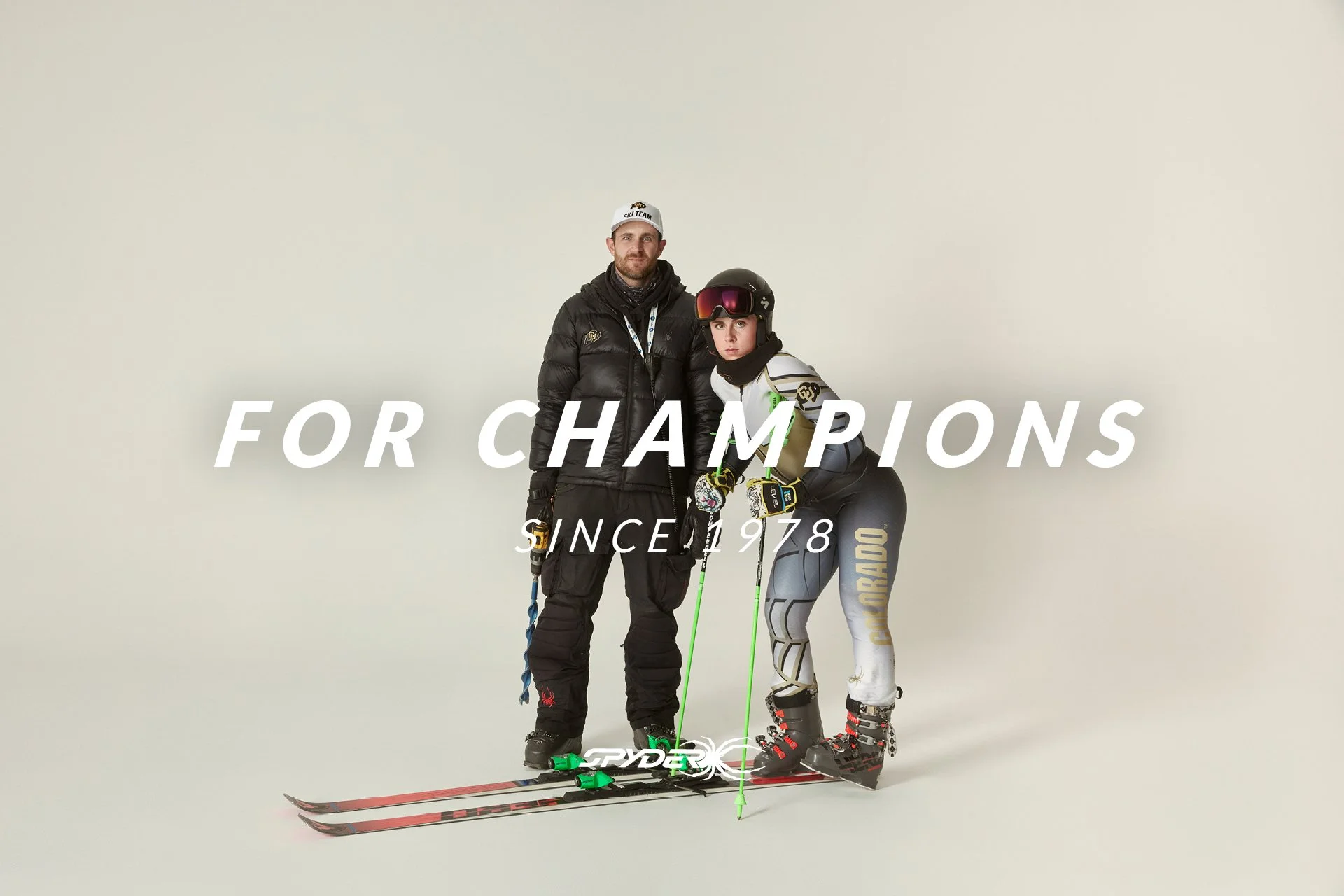
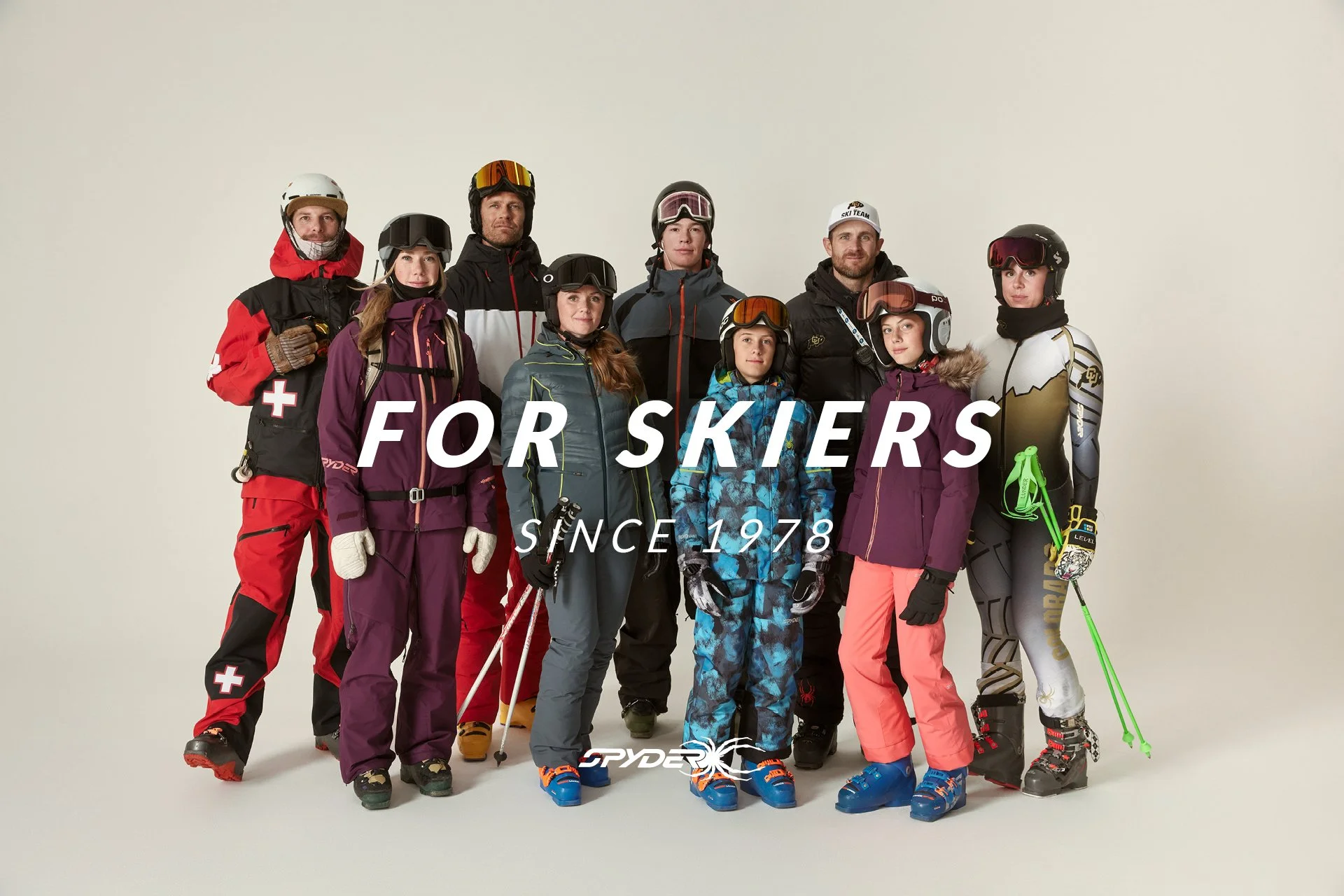
At a moment when it would have been easy to chase momentum through product stories or promotional messaging, leadership aligned around a simpler, more demanding idea: recommitting to the people the brand was built for. The campaign title, For Skiers, was not a tagline as much as a line in the sand. It asserted that the brand’s relevance would come from depth, not scale, and from clarity rather than novelty.
This was a decision about identity more than marketing. The question shifted from how to generate attention to how to reestablish conviction—internally first, and then with the audience that already understood the culture of skiing from the inside.
The Work
We led the creative vision and execution that brought the decision to life.
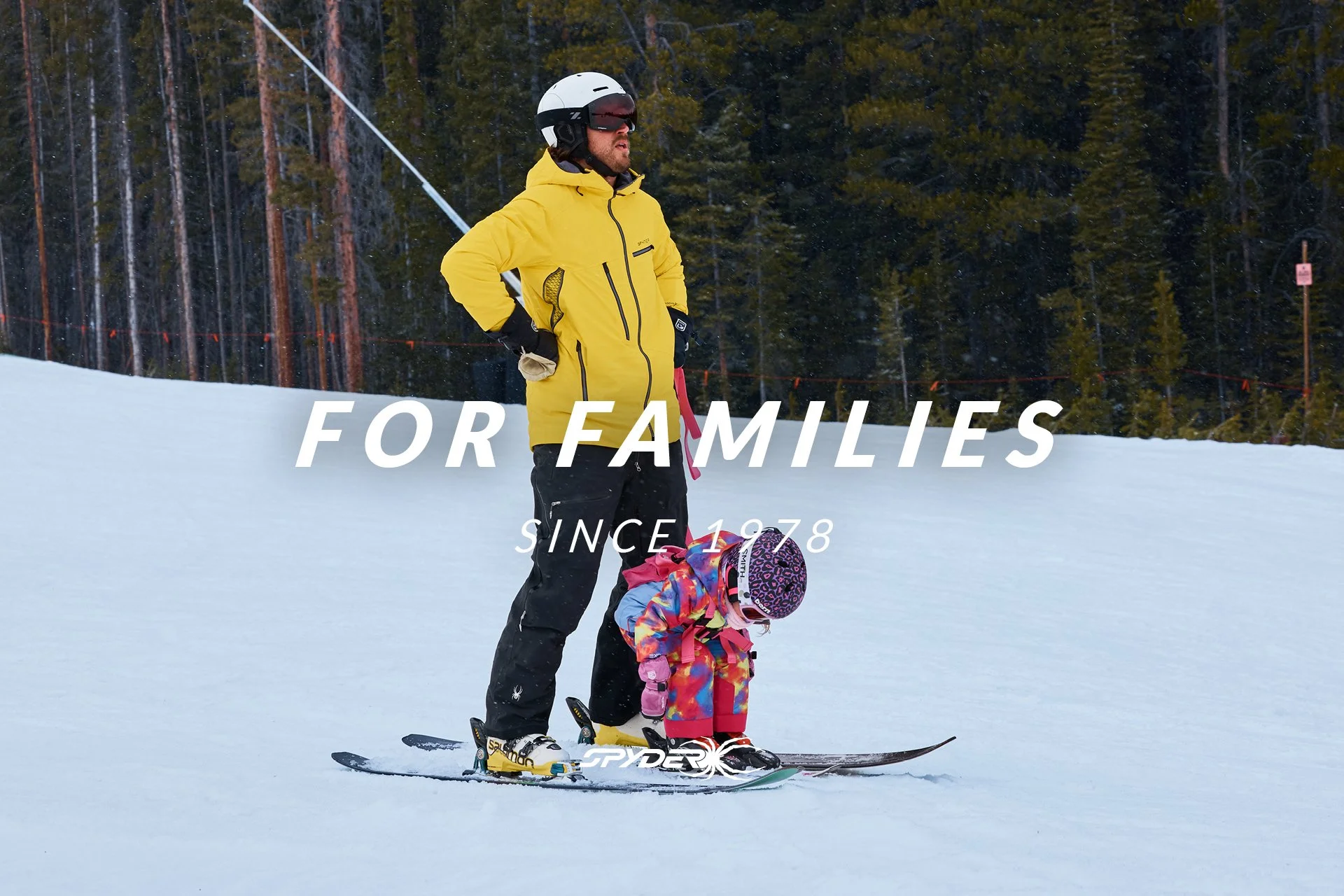
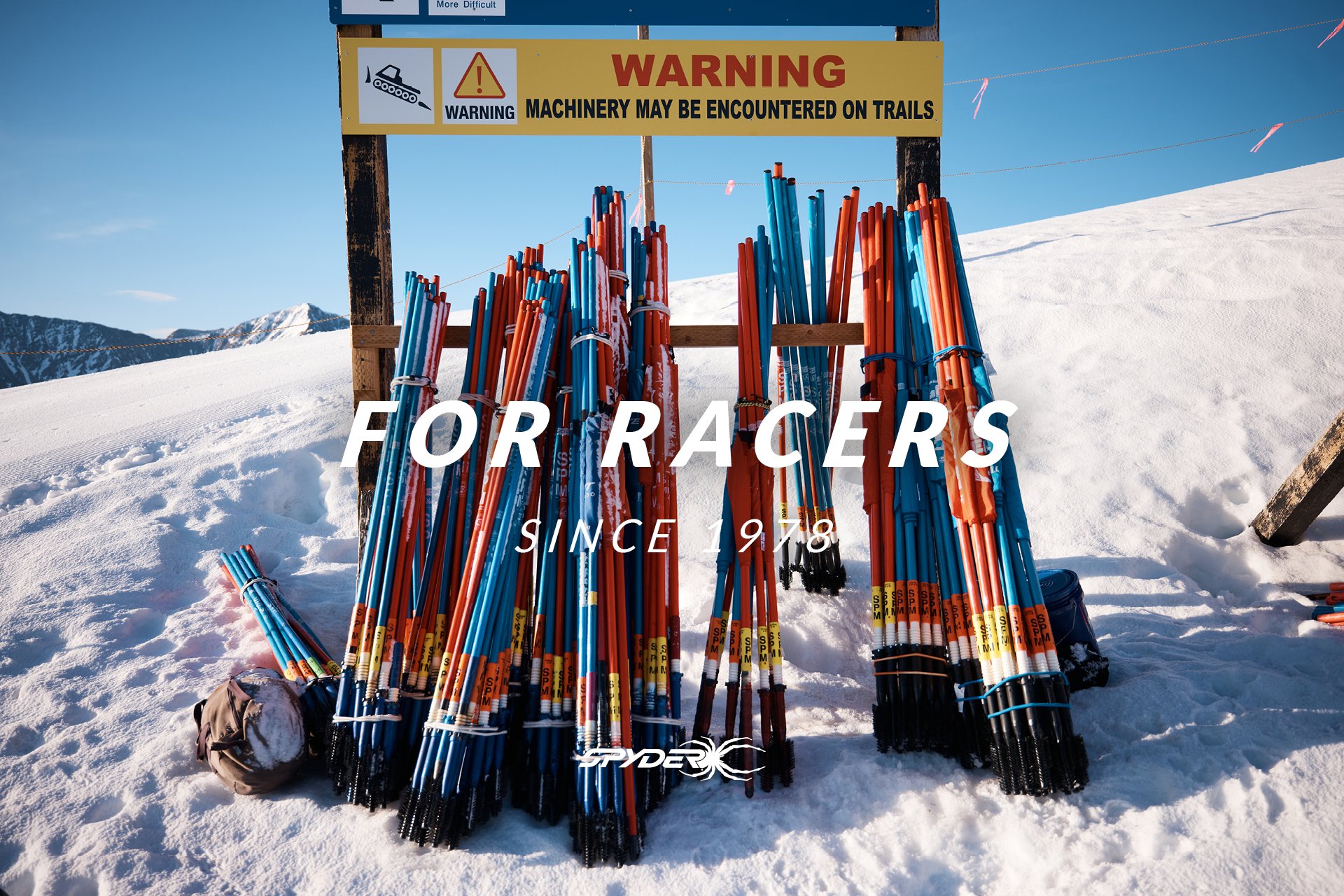
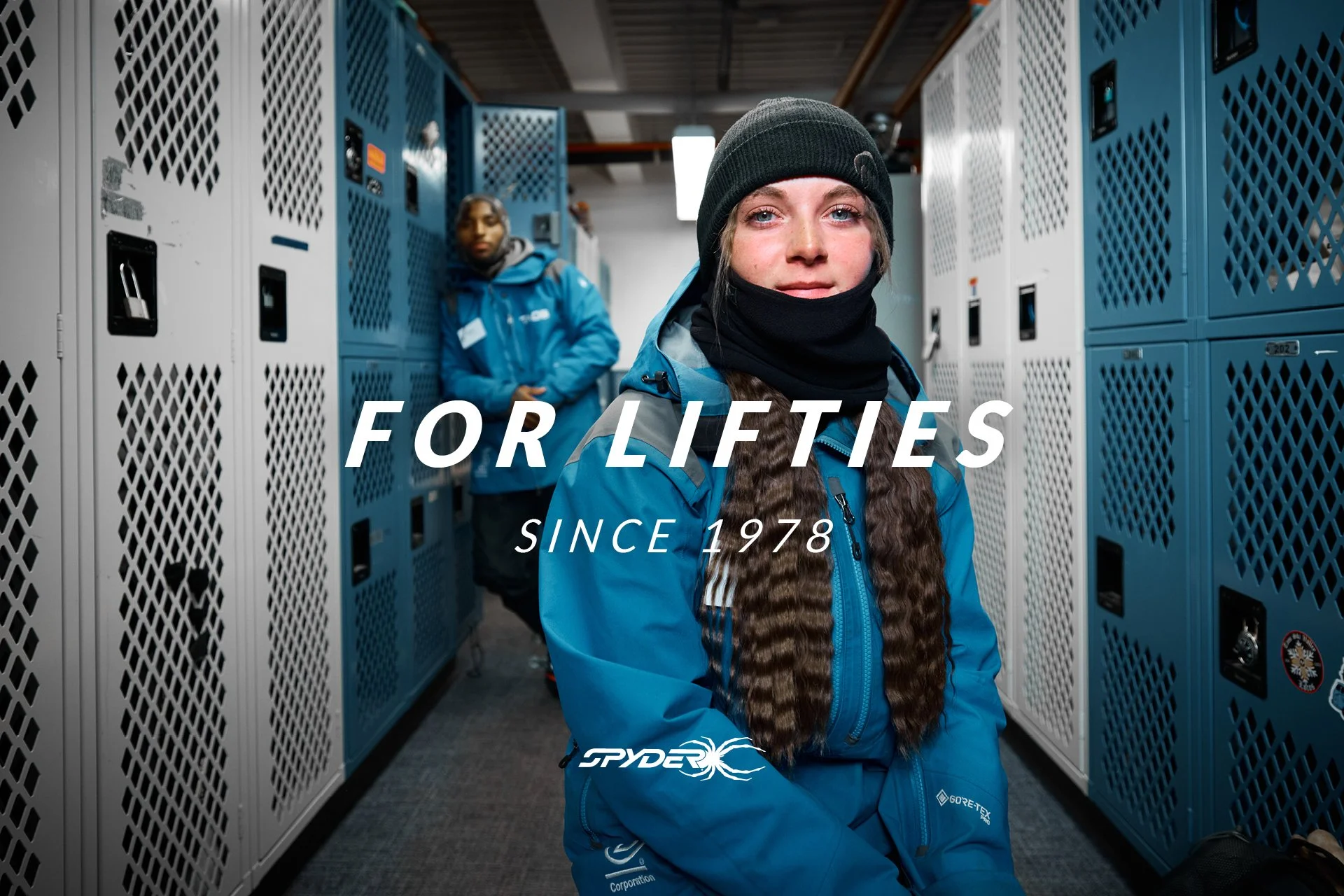
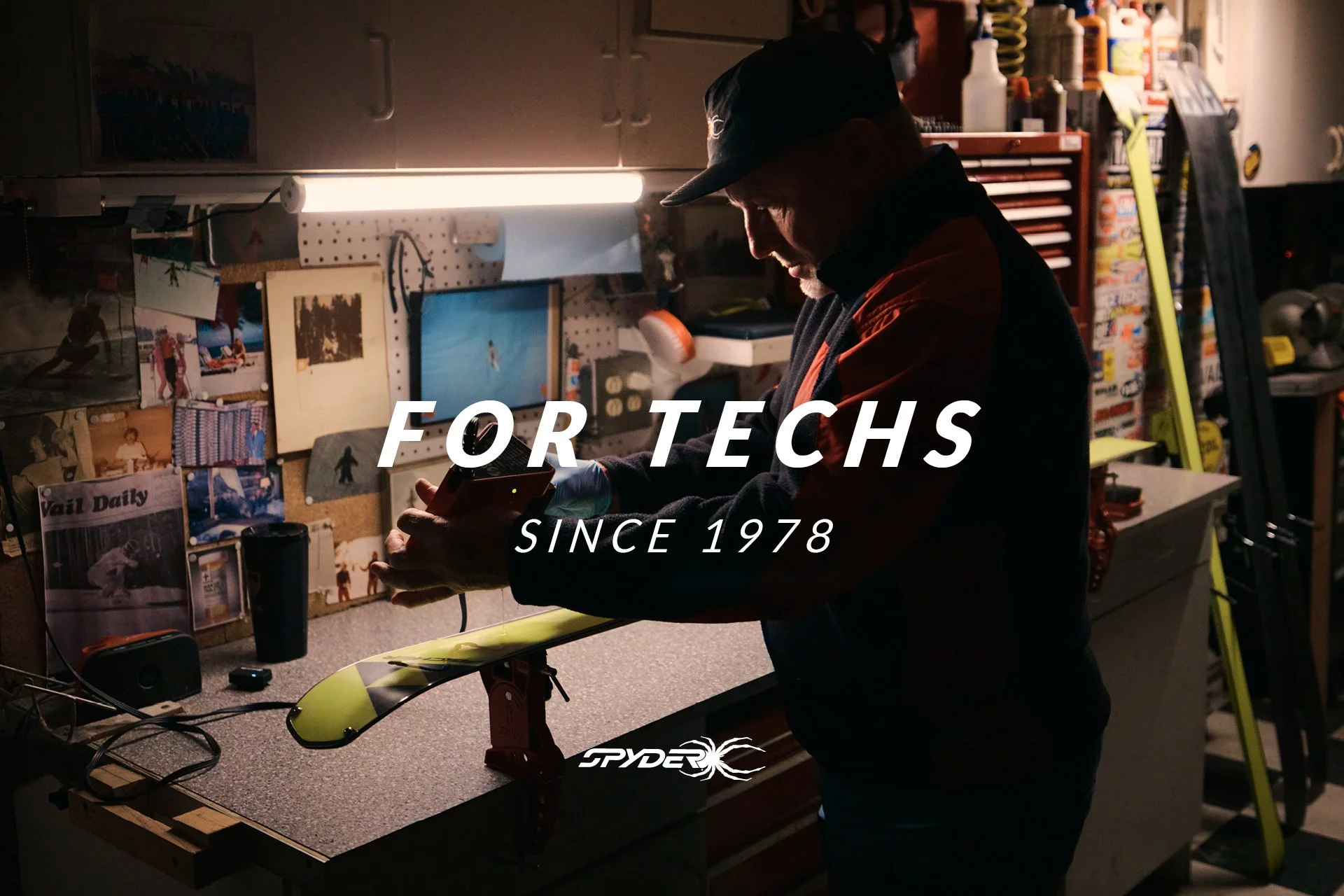
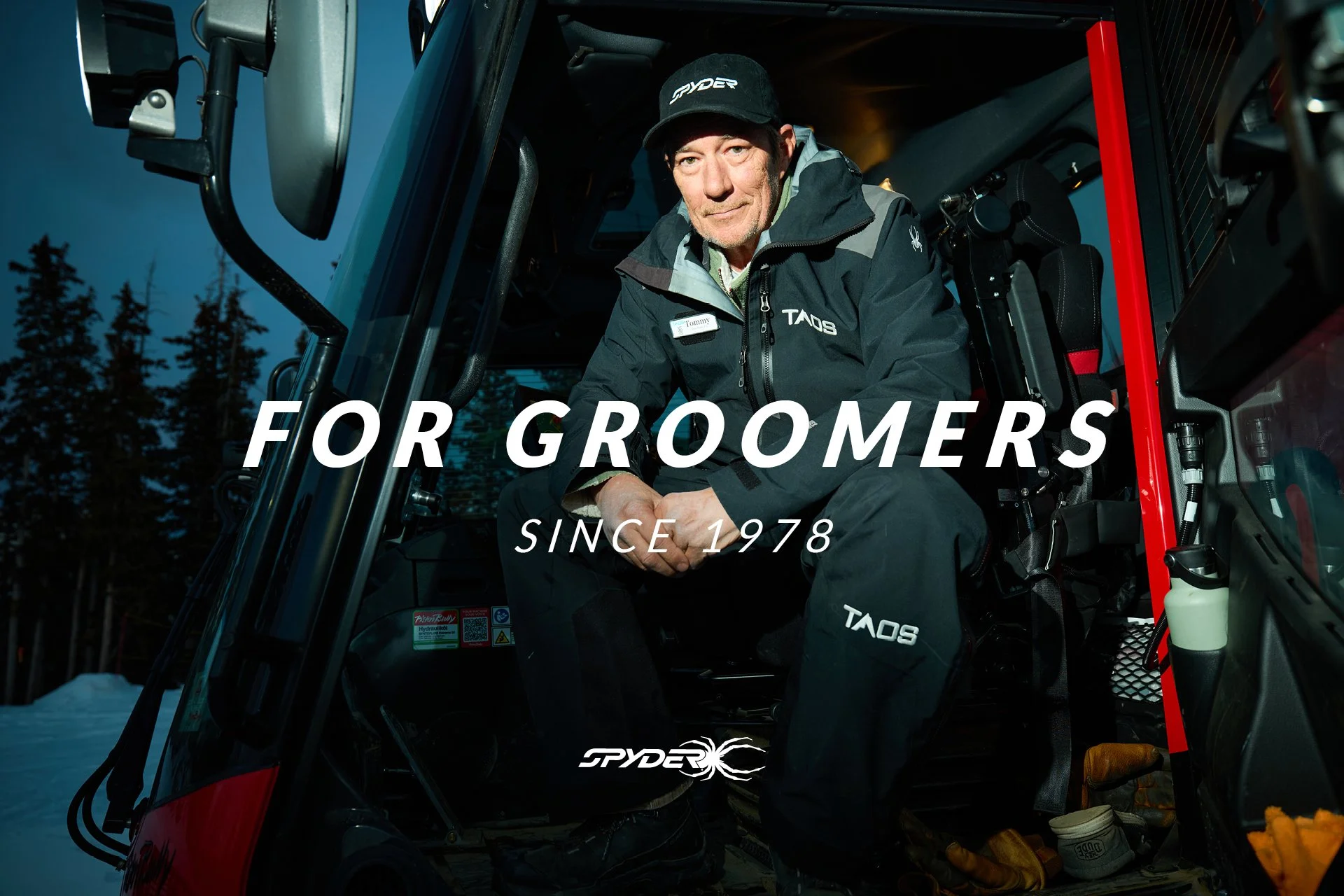
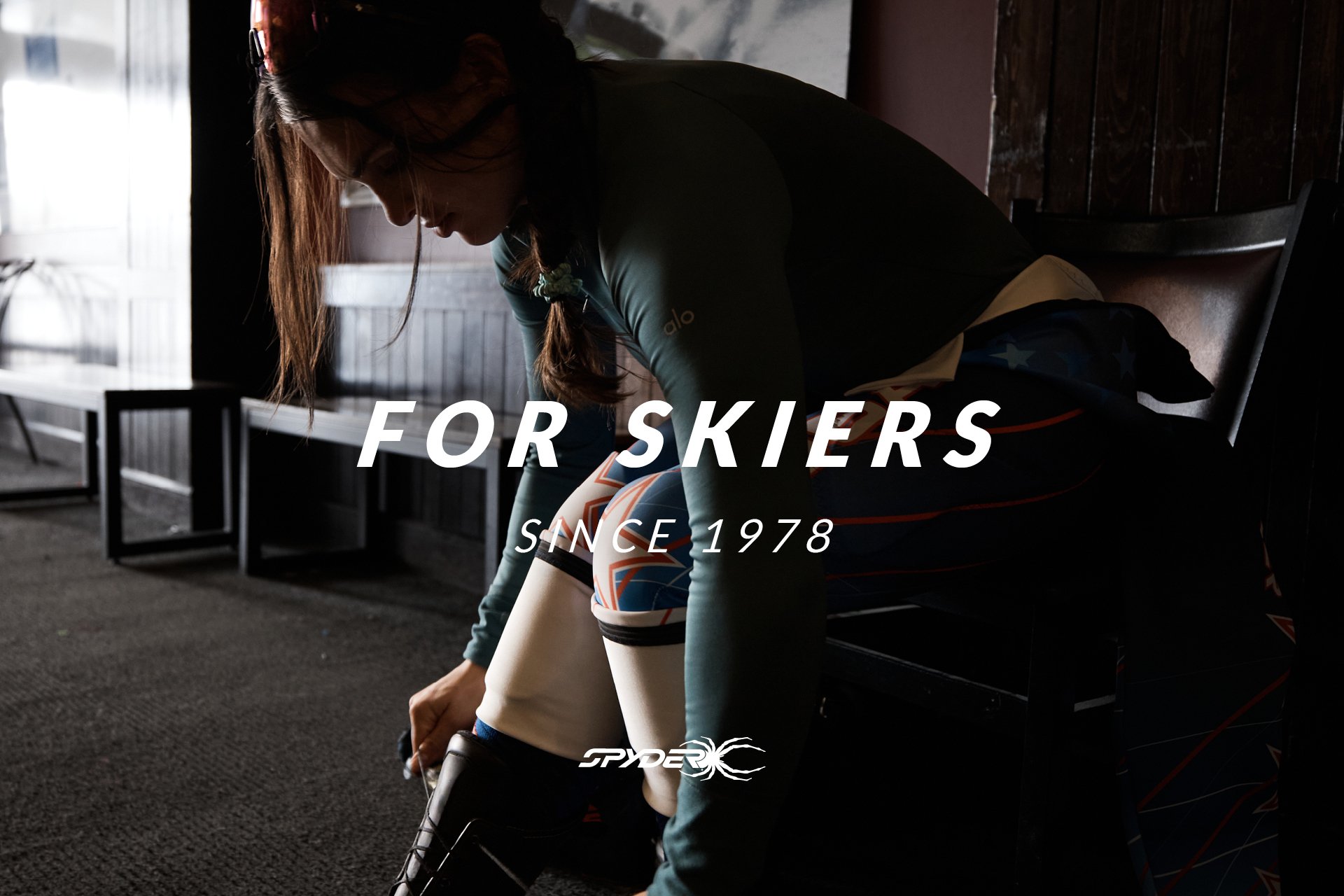
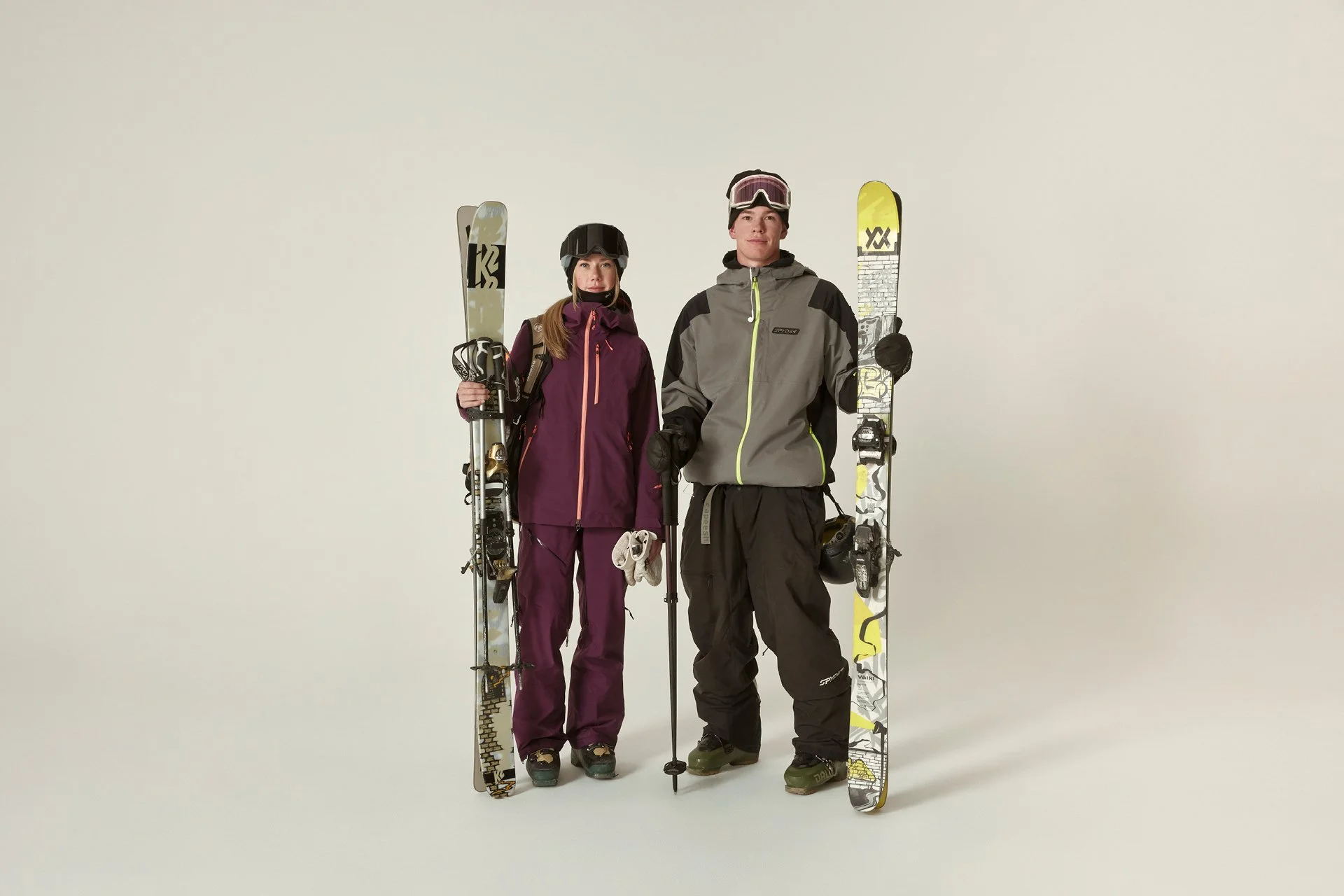
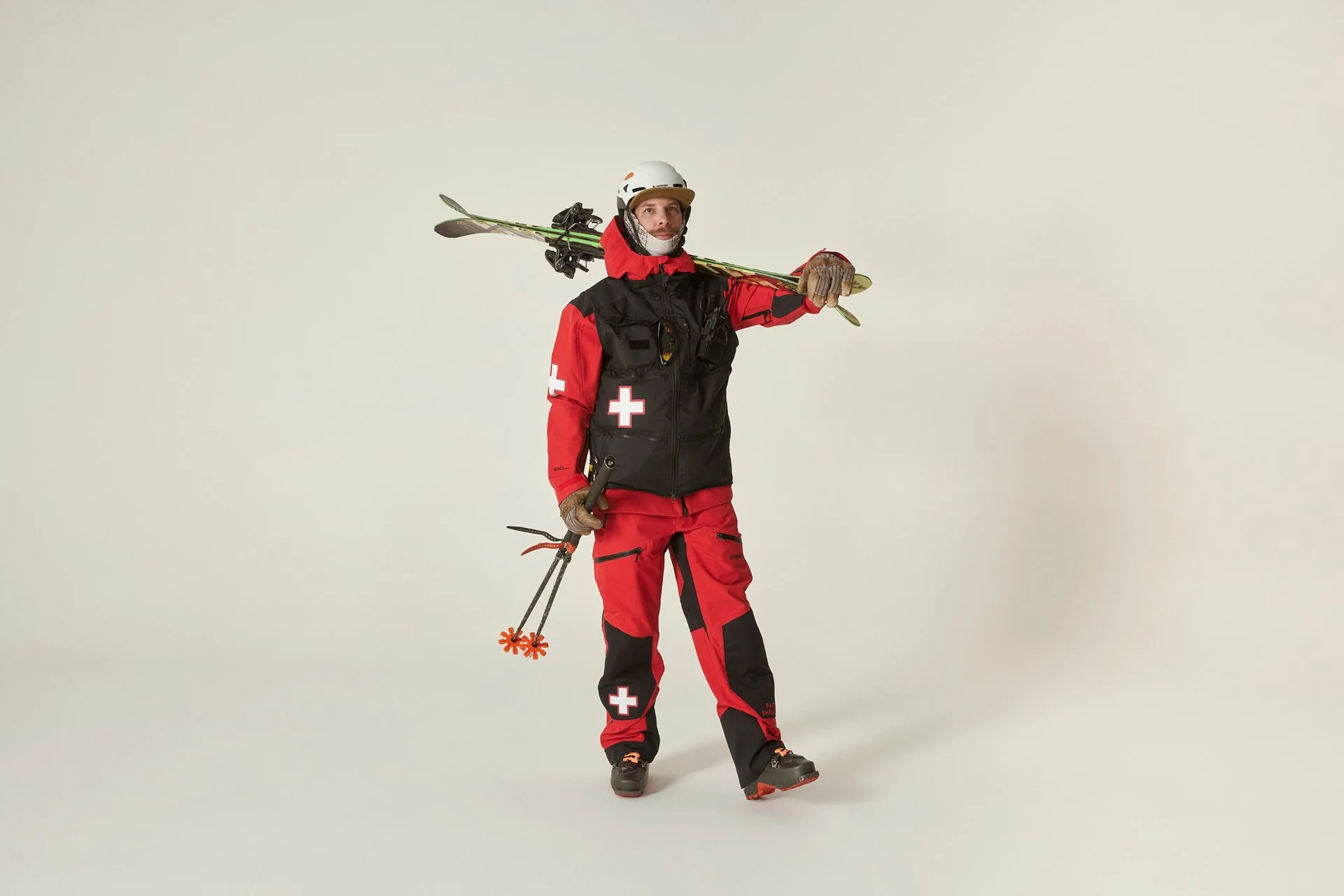
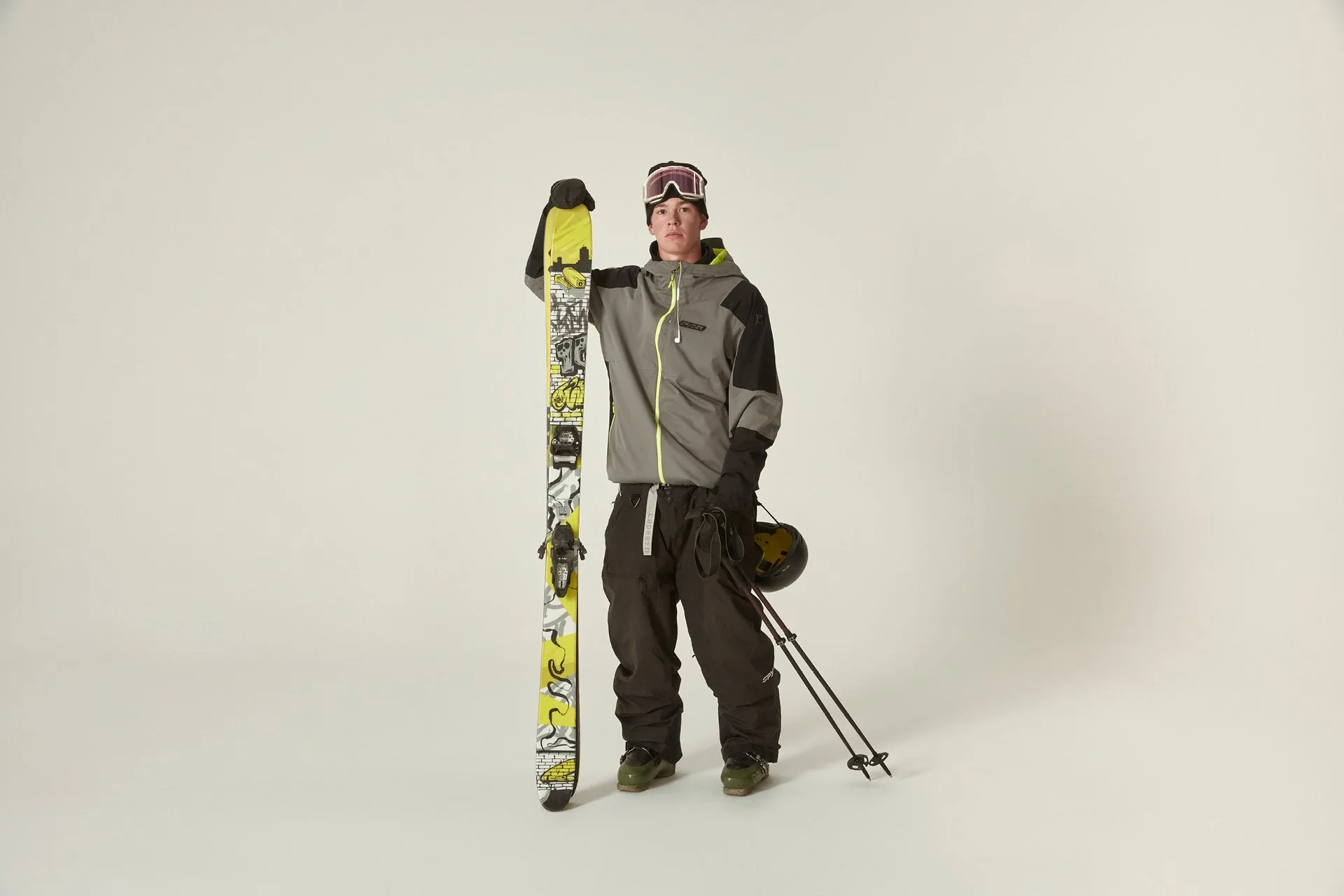
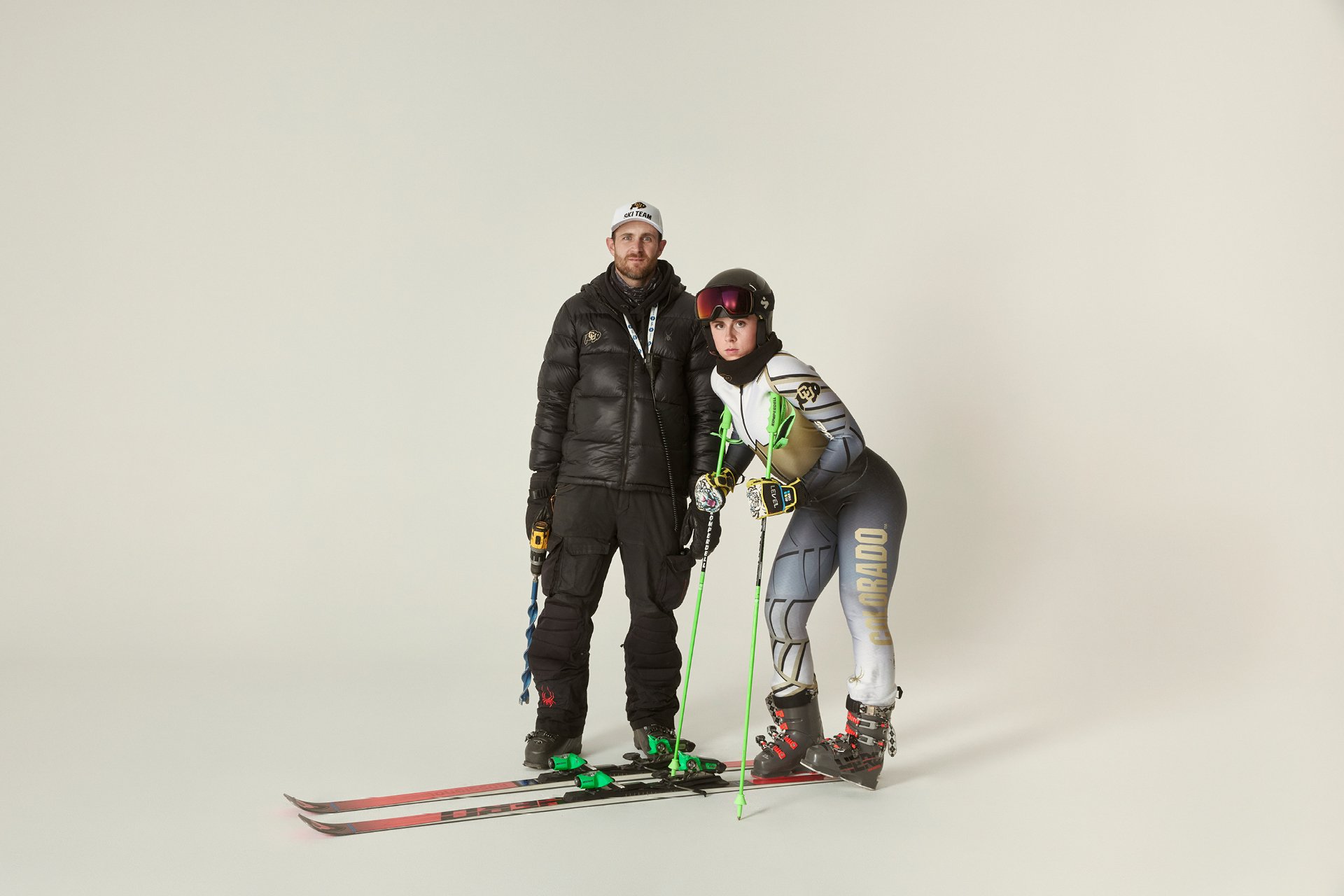
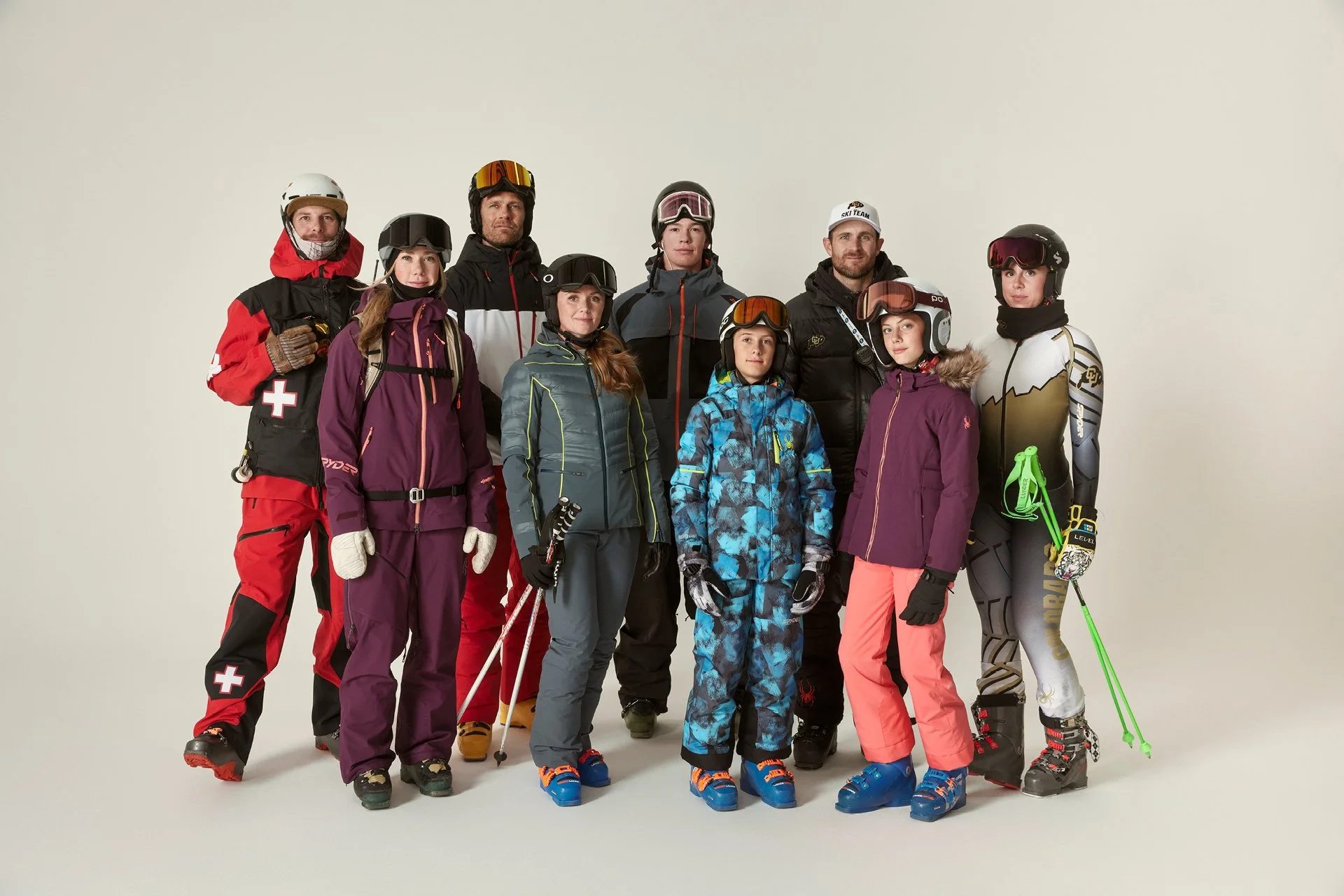
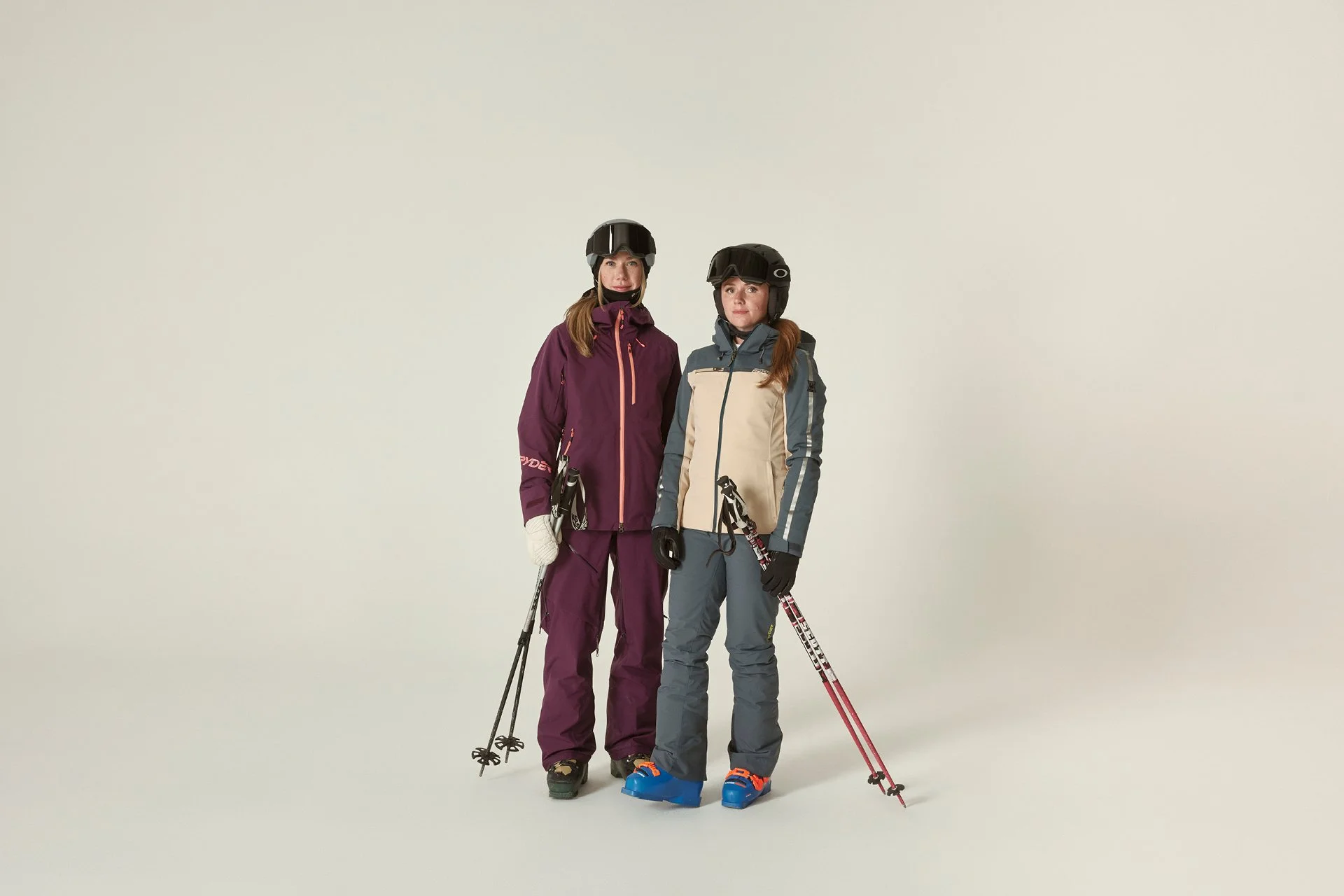
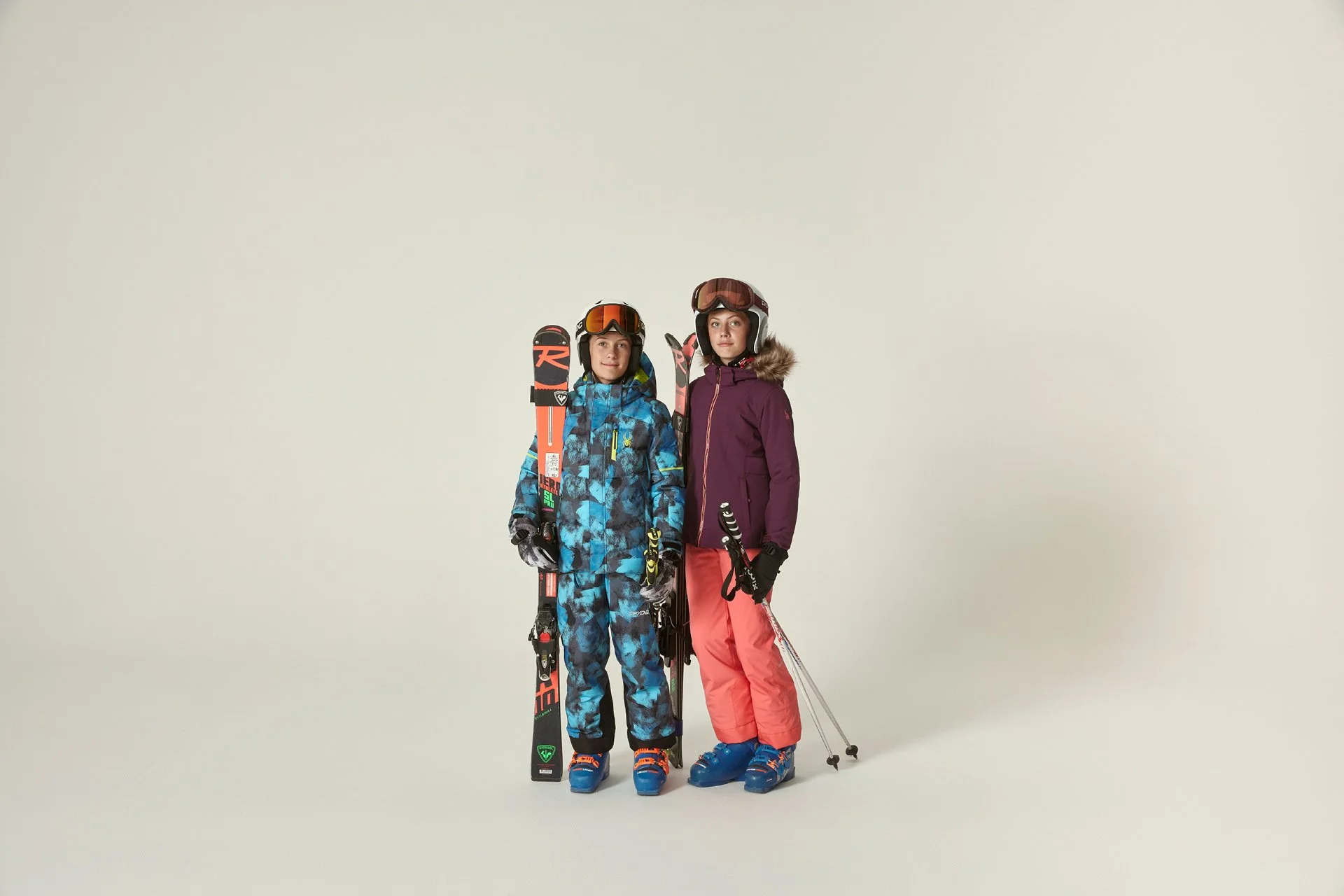
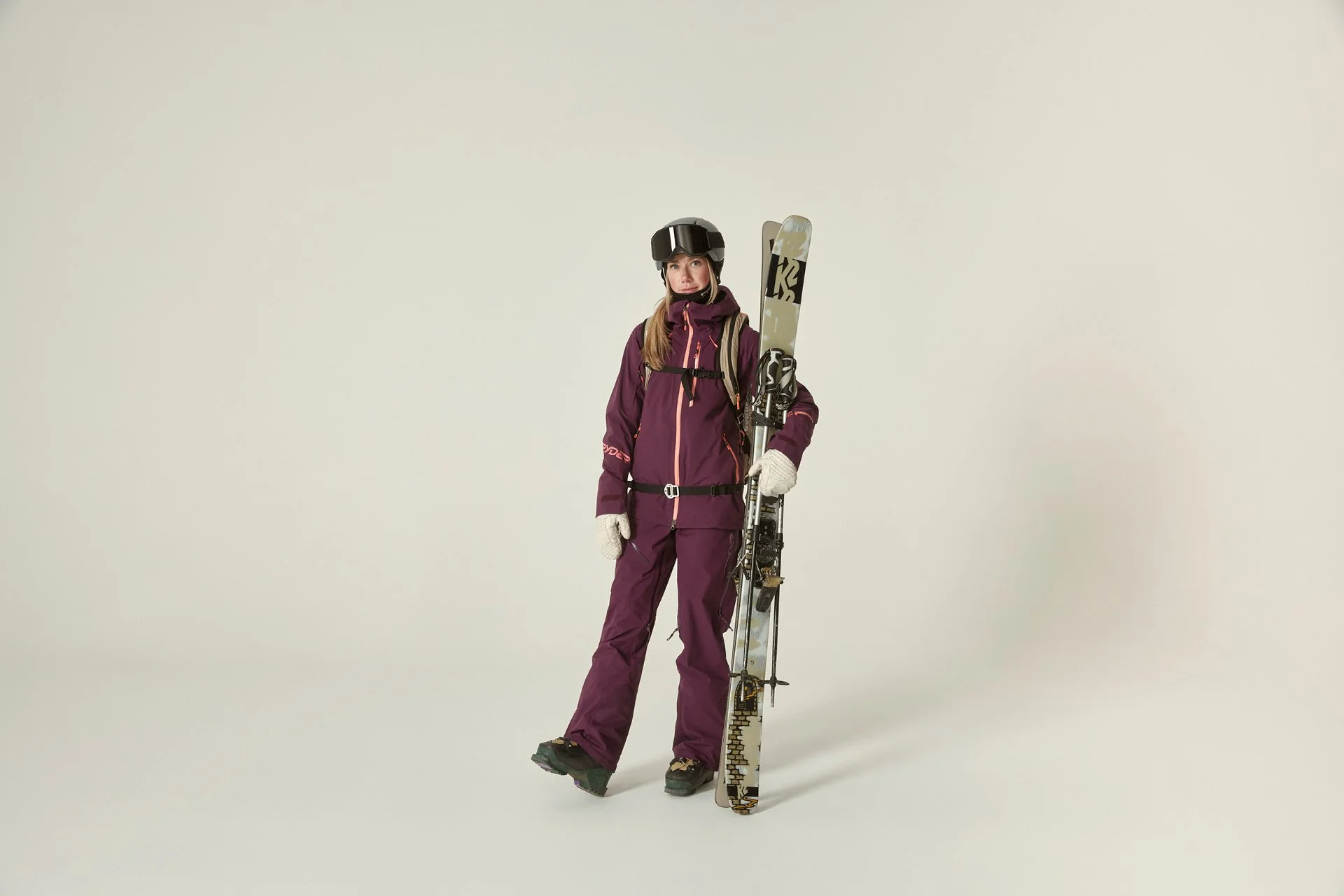
The work began with a clear brief and a defined point of view, then moved quickly into execution across film, photography, and graphic systems. Every element was designed to reinforce the same idea: this is a brand built for people who ski seriously, thoughtfully, and often.
The creative approach focused on accuracy and restraint. Skiing culture is highly attuned to authenticity, and credibility is earned through details that can’t be approximated—location, timing, conditions, talent, access. We treated production not as spectacle, but as observation, capturing the rituals, effort, and quiet moments that define the experience when no one is trying to impress.
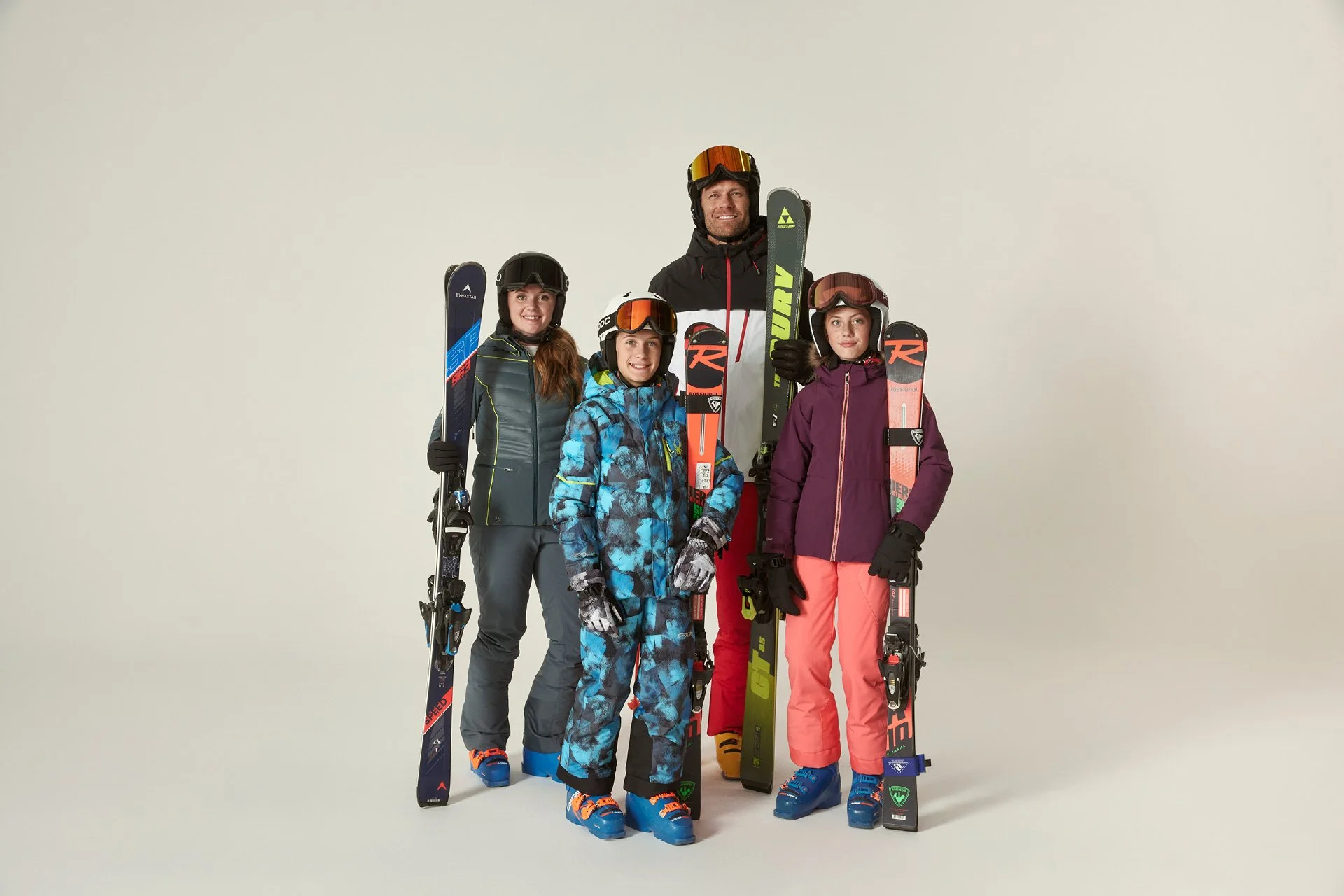
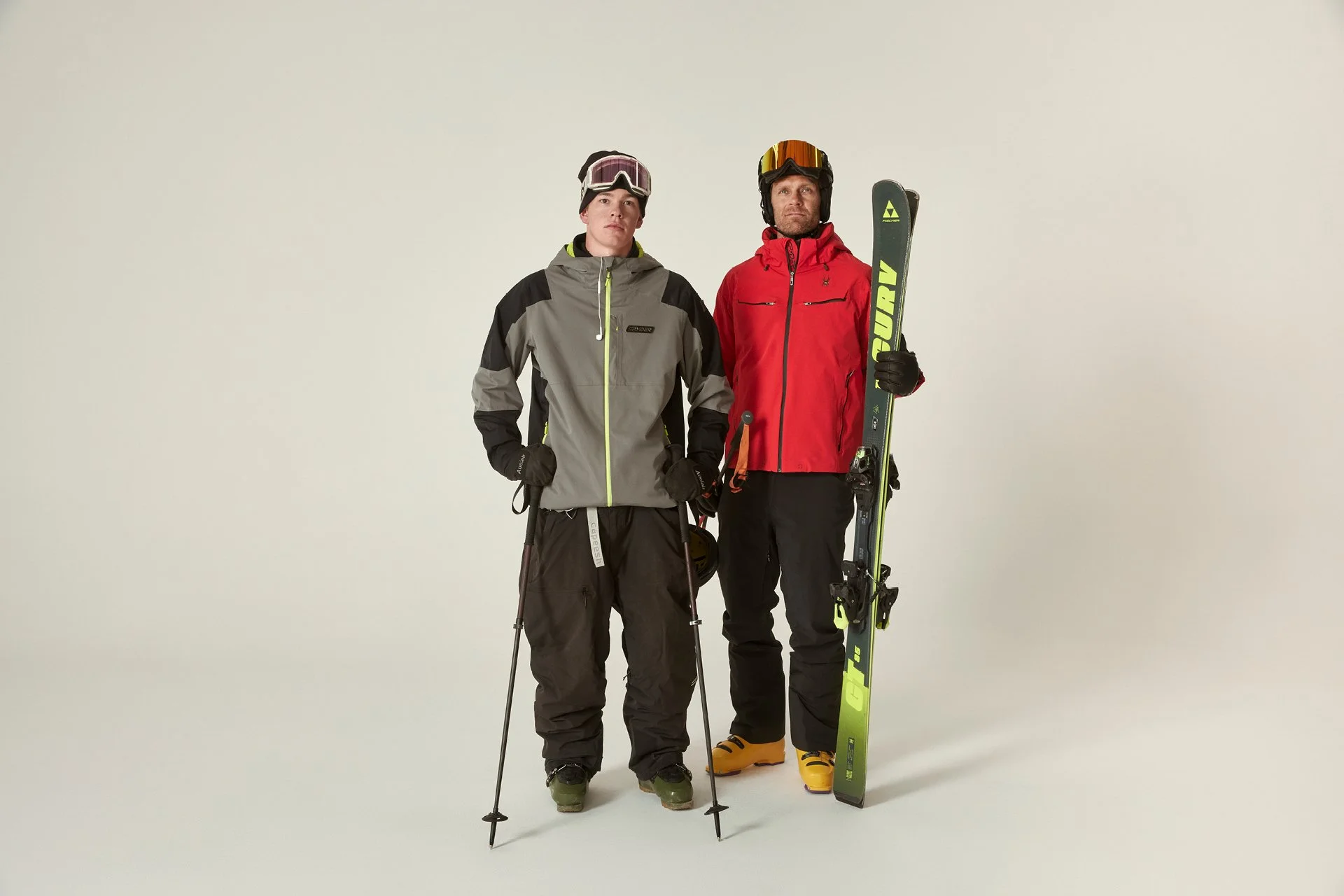
Visually, the work established a grounded, confident language the brand could sustain. Rather than chasing seasonal trends, we prioritized repeatable rules for tone, imagery, and composition that the internal team could carry forward. The result was not just a campaign, but a clear creative direction that made future decisions easier to align and execute.
What changed
Internally, the work had an immediate effect.
Teams responded not because the campaign promised performance, but because it felt aligned. The brand felt recognizable again. Leadership saw a clearer throughline between who the brand is, who it speaks to, and how it shows up in market. The work didn’t solve every commercial challenge—that was never the point—but it restored confidence in direction.
That confidence translated into intent. The campaign remains in market and is viewed as a foundation rather than a one-off. The prevailing internal sentiment was not curiosity about what to try next, but clarity about what should be repeated.
Why it matters
This project is about using brand as a decision-making tool when conditions are uncertain.
The work demonstrates how a clear point of view can guide creative execution without relying on trend, scale, or promotional pressure. Brand, in this case, was not an aesthetic exercise. It was the mechanism that helped a heritage company choose restraint over noise and depth over reach.
For CSR Lab, this is representative of how brand thinking operates in practice, not as a veneer applied at the end, but as the lens that determines what is worth making in the first place.
Define your point of view.