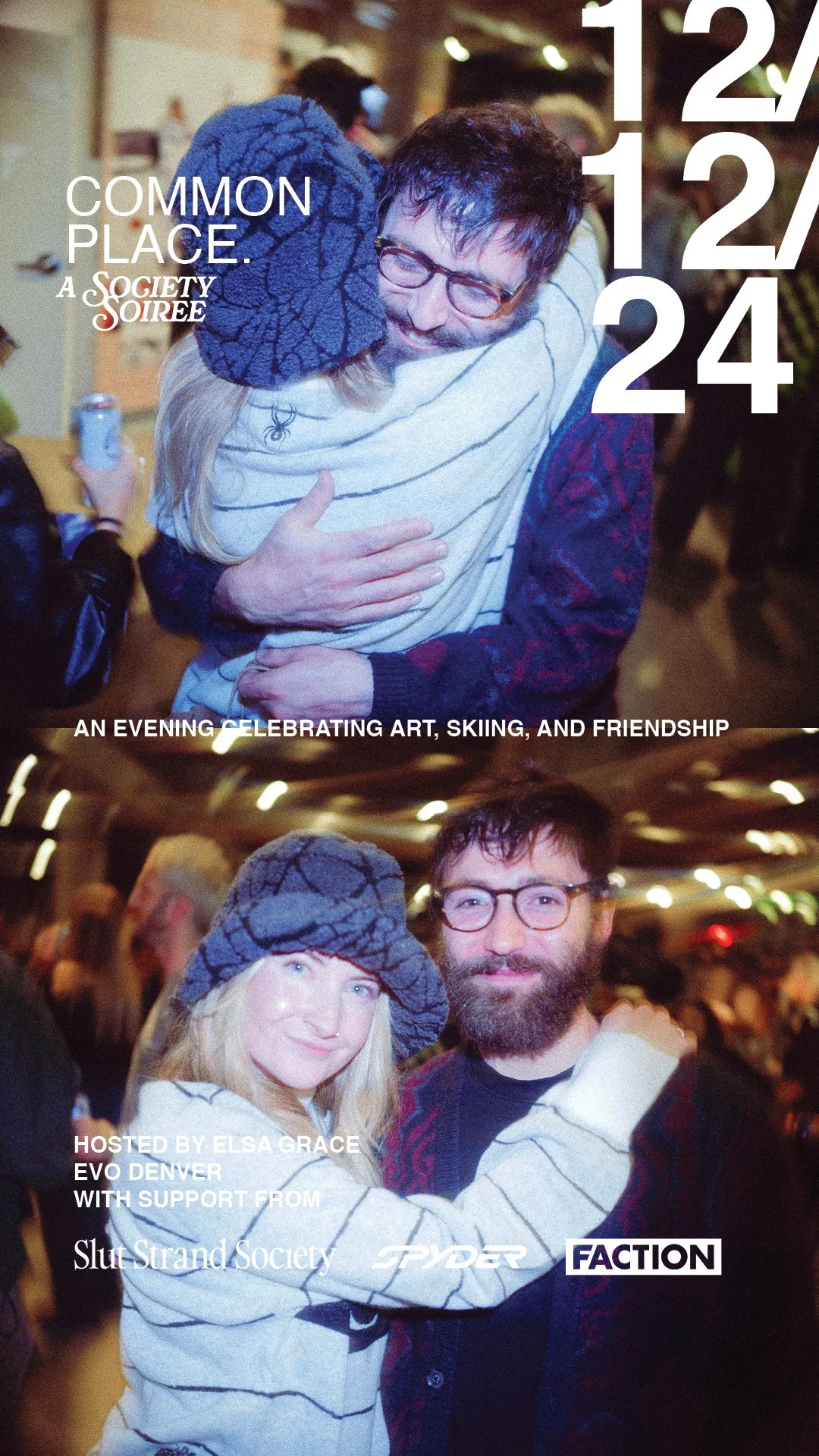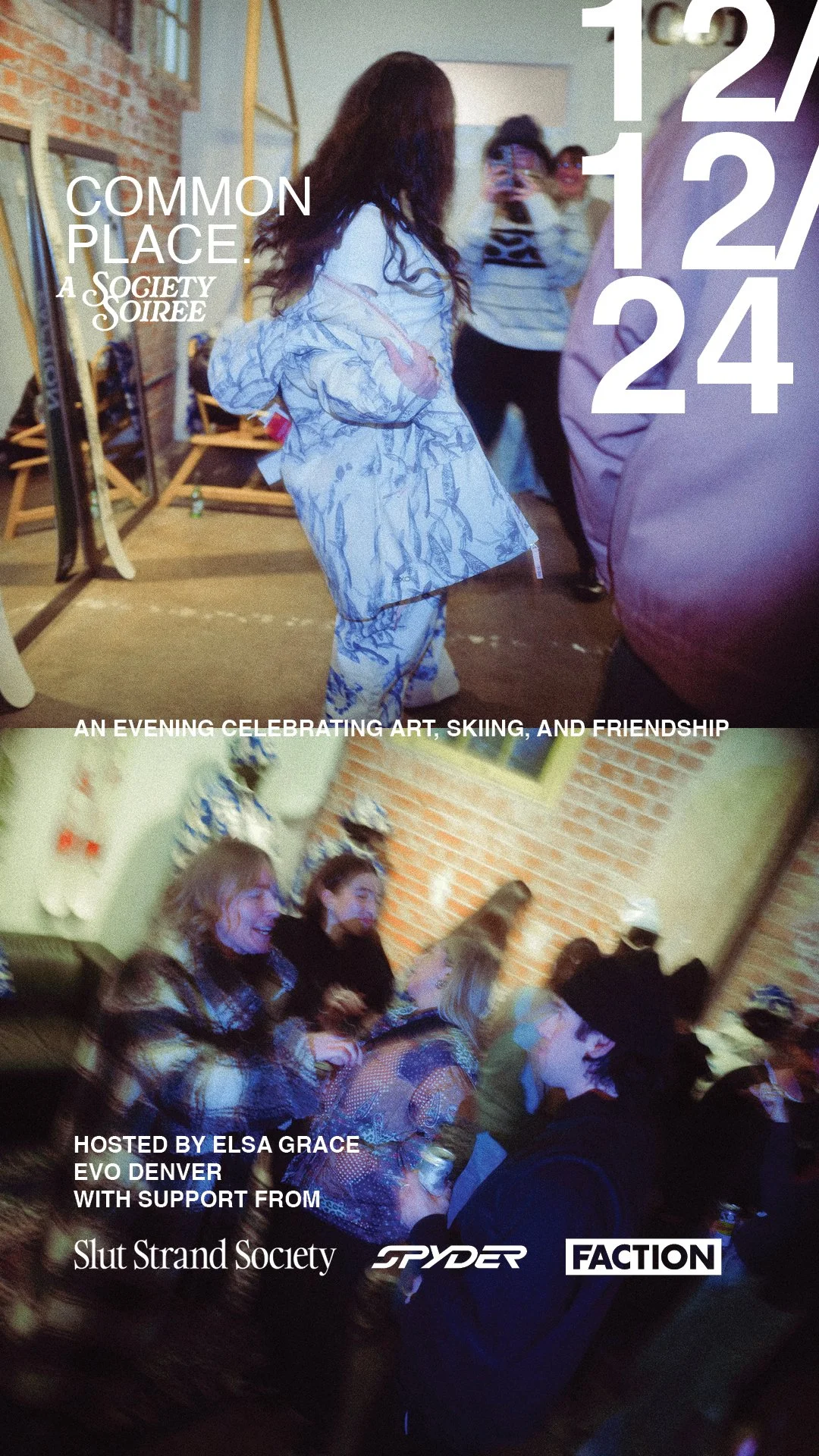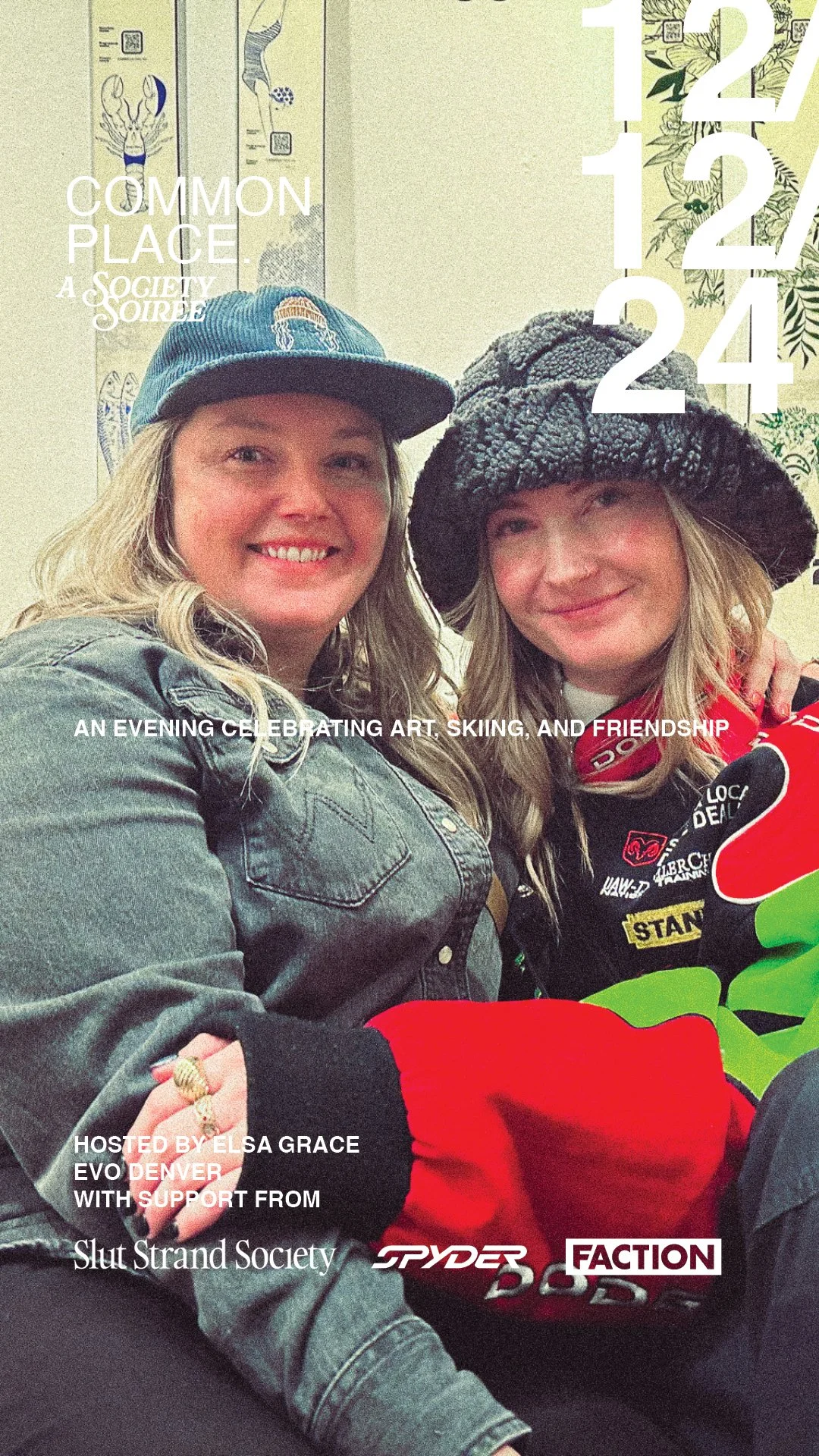

“Common Place”
for:
SPYDER & Slut Strand Society
SPECIALTY OUTDOOR APPAREL
2024-2025 | NORTH AMERICA & EUROPE
Value Summary:
Identity, creative, and retail activation built to earn credibility with a community you can't buy your way into.
The problem
A heritage performance brand wanted to connect with a younger, female audience that wasn't waiting around for it.
Spyder had the product and the distribution, but what it lacked was a credible entry point into the communities reshaping ski culture from the inside; younger women, specifically. A group discussed in boardrooms but never spoken to with any real precision or honesty.
Slut Strand Society, founded by designer and artist Elsa Grace, had built exactly that audience. SSS started as a reclamation project. The name refers to the strands of hair women pull from under helmets and beanies on the mountain, a term that twenty five years ago was derogatory and today Elsa has turned into a symbol of pride, femininity, and creative defiance in the outdoor space. The community is fiercely loyal, culturally sharp, and allergic to anything that feels manufactured.
The challenge was trust. A major brand partnering with a community creator is high risk for both sides. Spyder needed the credibility to feel earned, not borrowed. Elsa needed a partnership that would strengthen her brand, not dilute it. And the product had to sell.


The decision
Both brands chose to weight the collaboration toward SSS's identity rather than Spyder's.
Rather than absorbing SSS into Spyder's existing voice, the partnership was built around Elsa's creative vision and her community's values. Spyder provided technical capability and distribution while SSS provided the culture. The lines were drawn early: Spyder could flex, SSS could not. Community, femininity, pride, and creative independence were non-negotiable.
The bet was that depth would outperform reach, and that a small, fiercely connected audience would drive more meaningful results than a broad campaign aimed at a demographic label.


The Work
CSR Lab led identity, creative direction, digital content, retail activation, and social across the partnership.
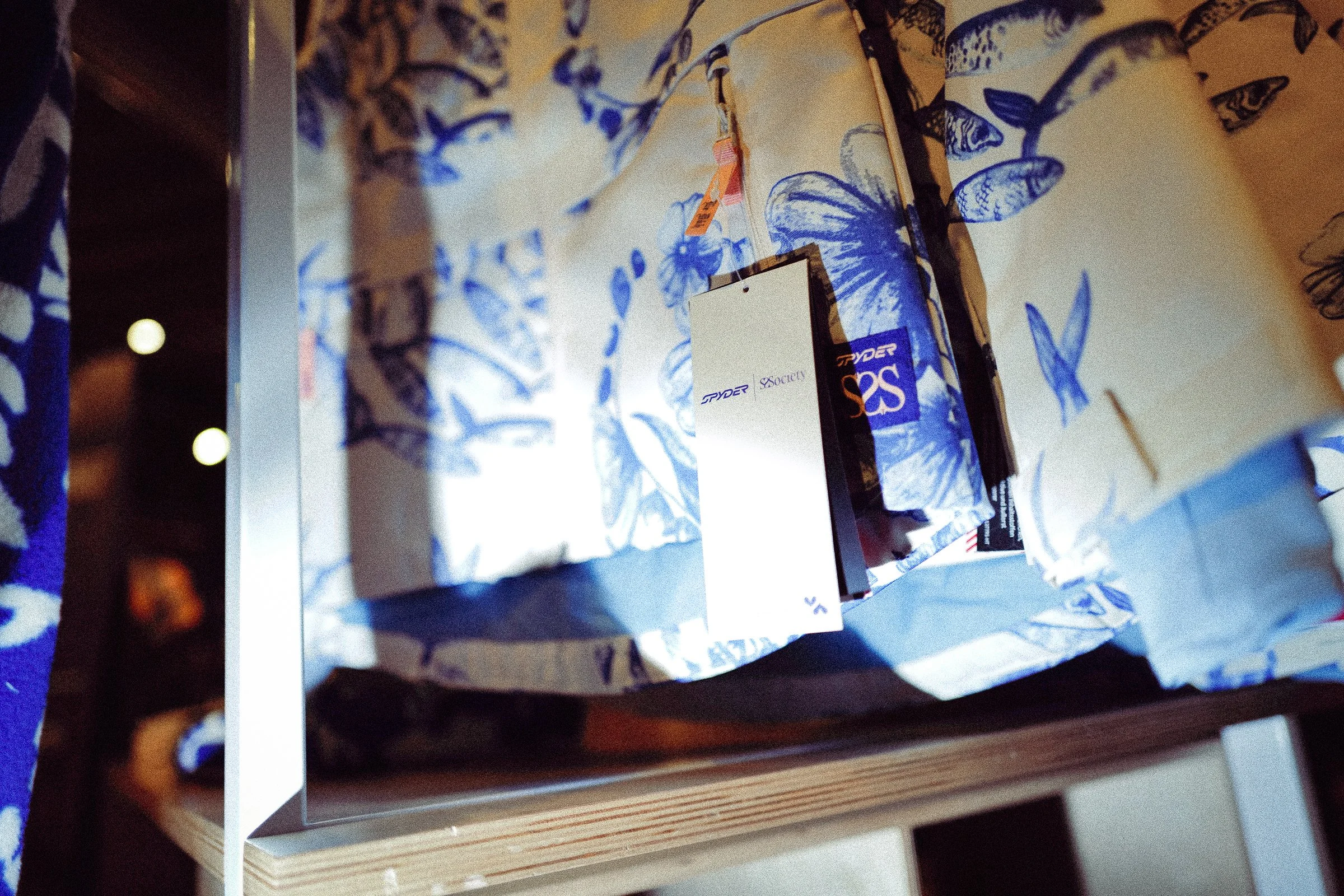
The work began with the SSS brand identity, including the logo: three S's in sequence with the center letter reflected, creating a repeated heart shape in the negative space.
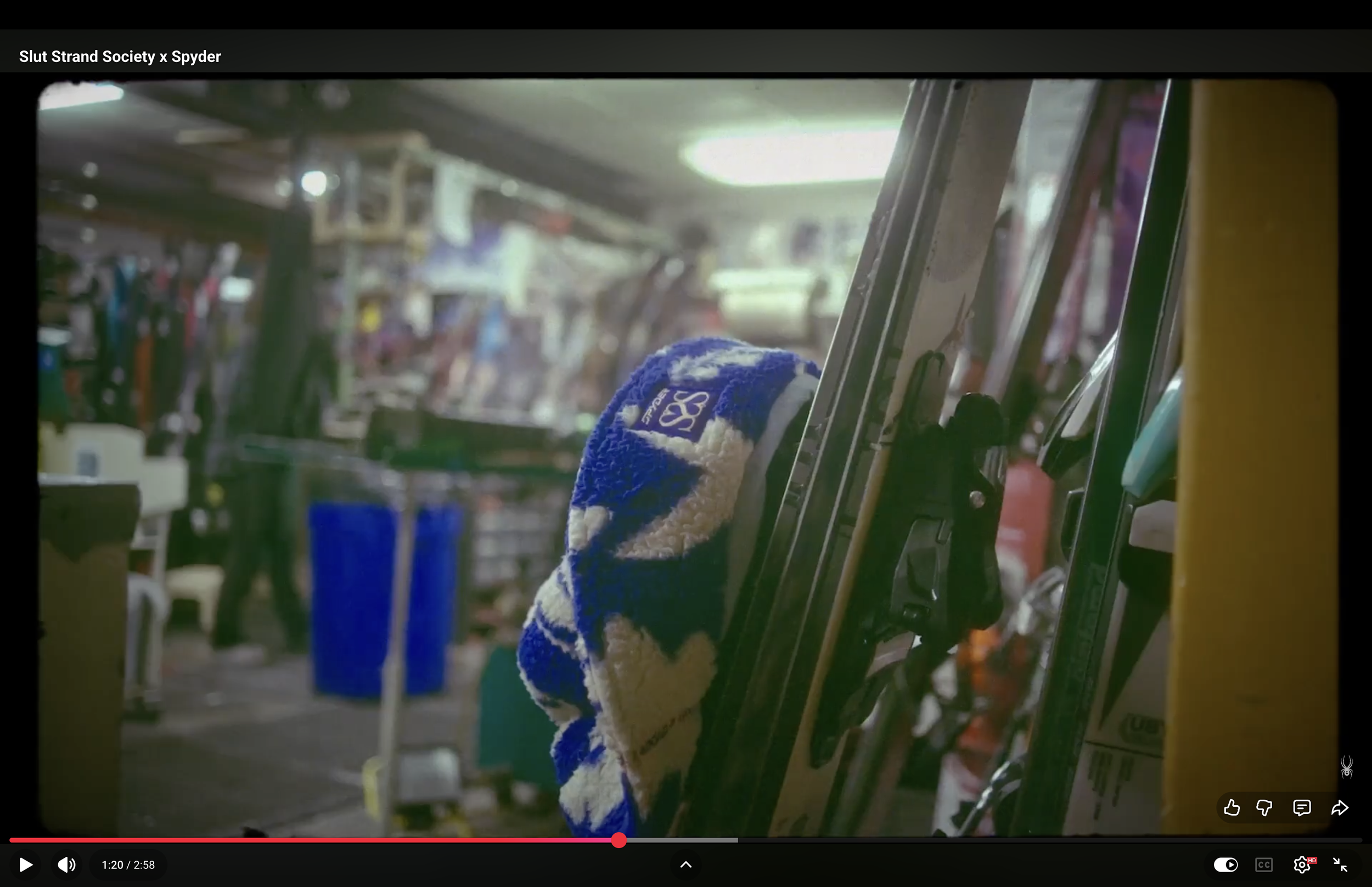
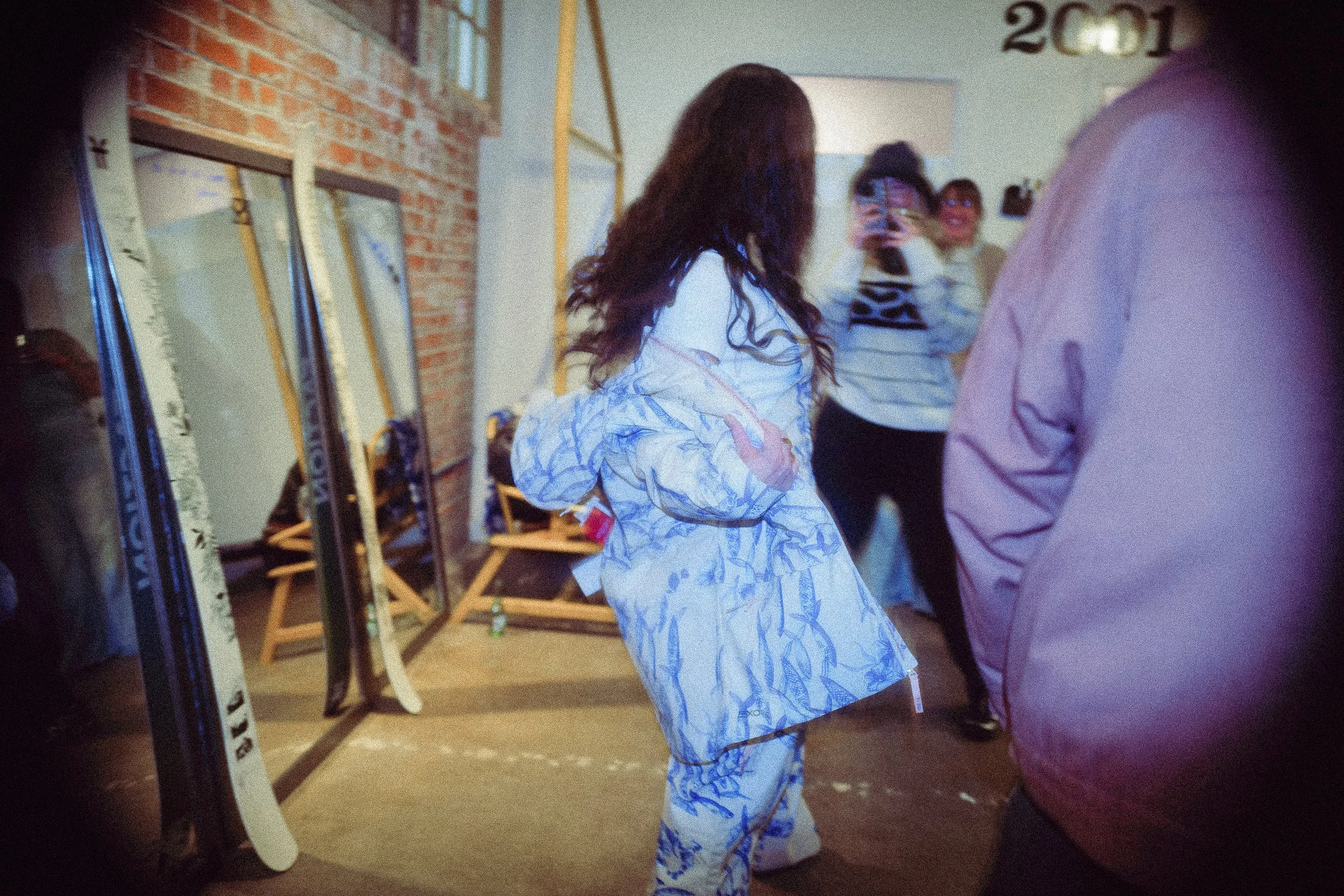
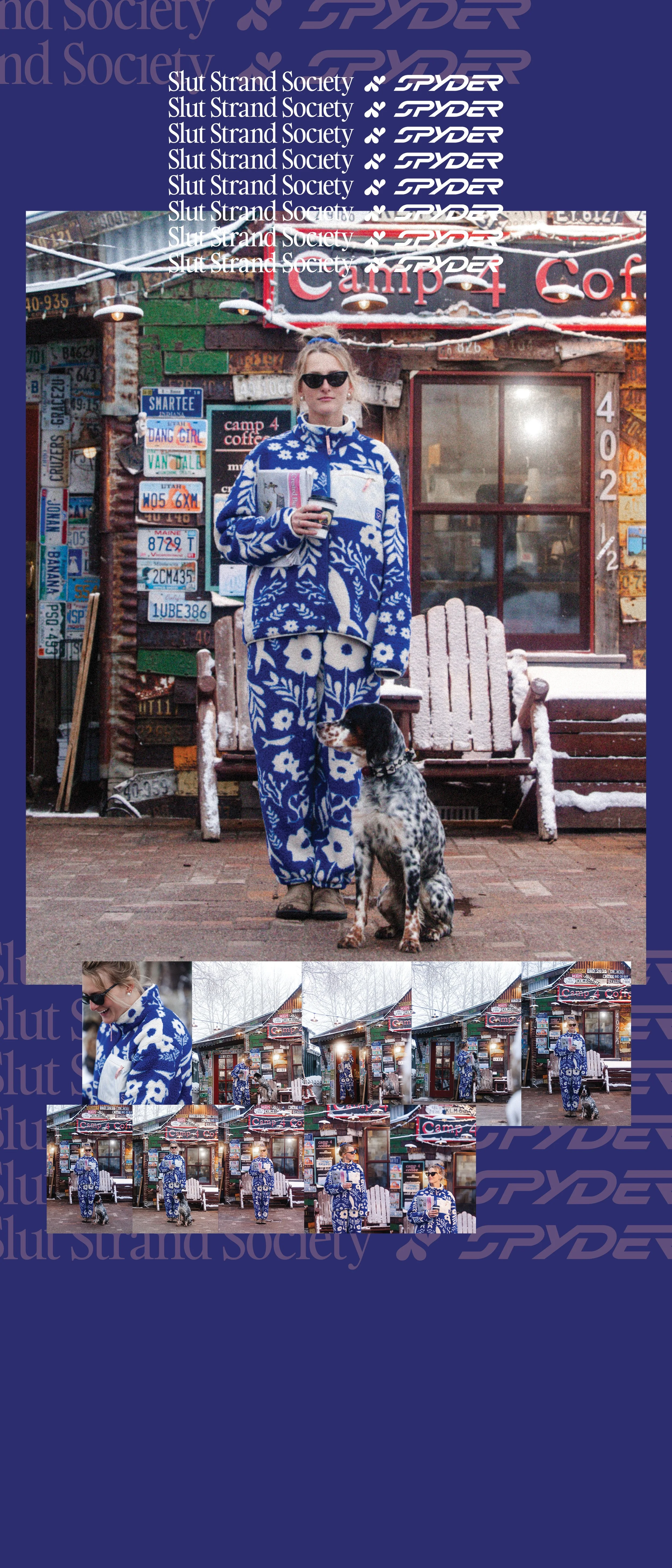
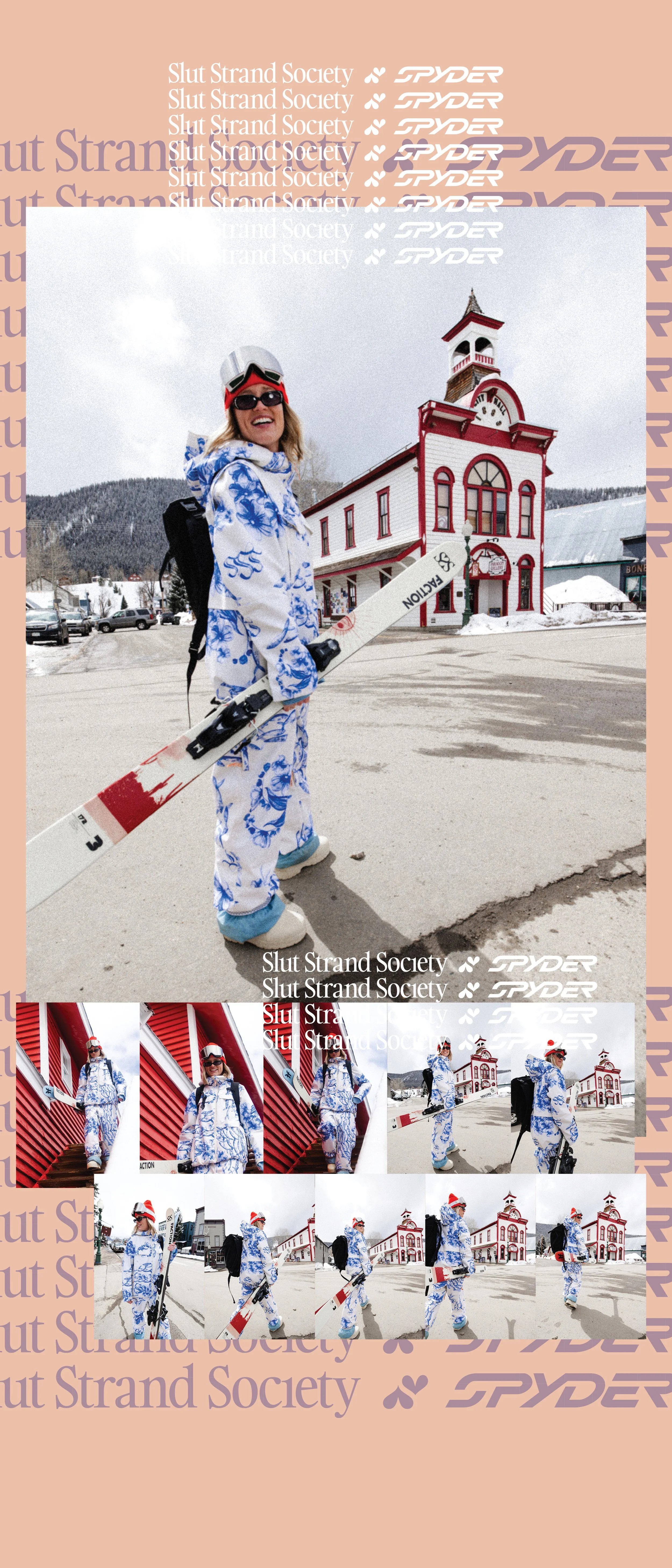
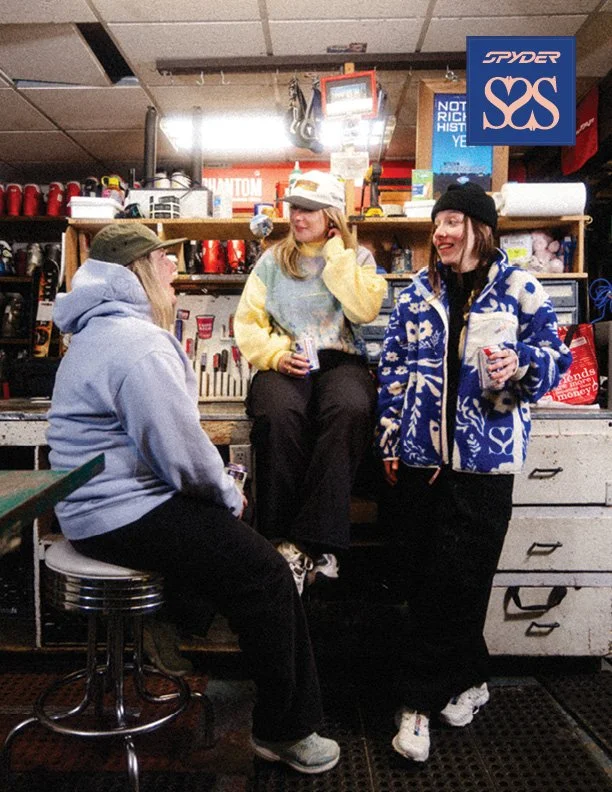
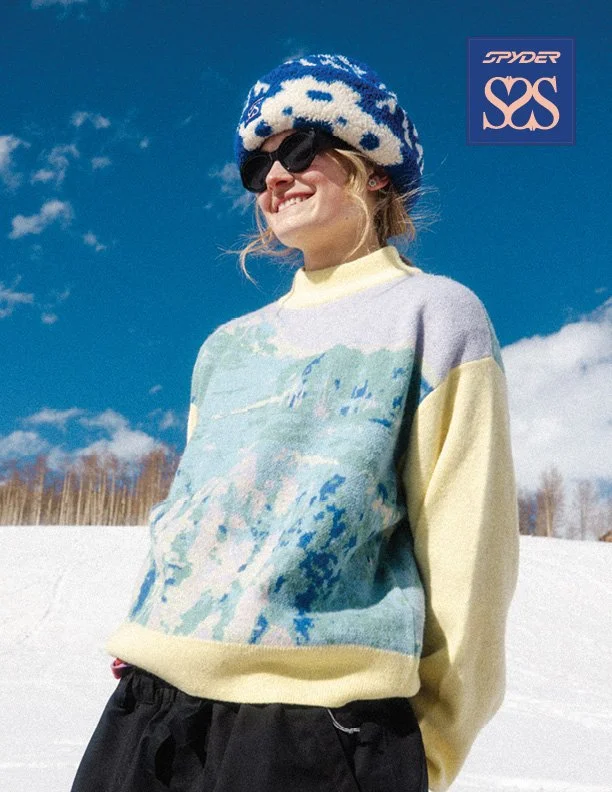
From there, the creative system was built on a deliberate contrast. Photography leaned analog: gritty, motion blur, film grain studio work that showed the product without hiding the process. The studio was visible and the energy was visible, with nothing polished past the point of recognition. Graphic applications went the other direction, using utilitarian micrographics that stated plainly what the product was, who made it, and where it was designed. The result was technical precision alongside warmth and texture. The indie, retro, handmade feeling is native to Elsa's audience, and we played to it strongly while letting Spyder's technicality live in the details rather than the tone.
Talent and crew were drawn from Elsa's world, which meant the people in the graphics were the people in the community. They saw themselves in the work, and that created the kind of shareability you can't manufacture.
Content deployed across Spyder DTC, SSS channels, evo retail, and Faction Skis social, and the creative held across ecommerce, social, and in store environments without losing coherence.
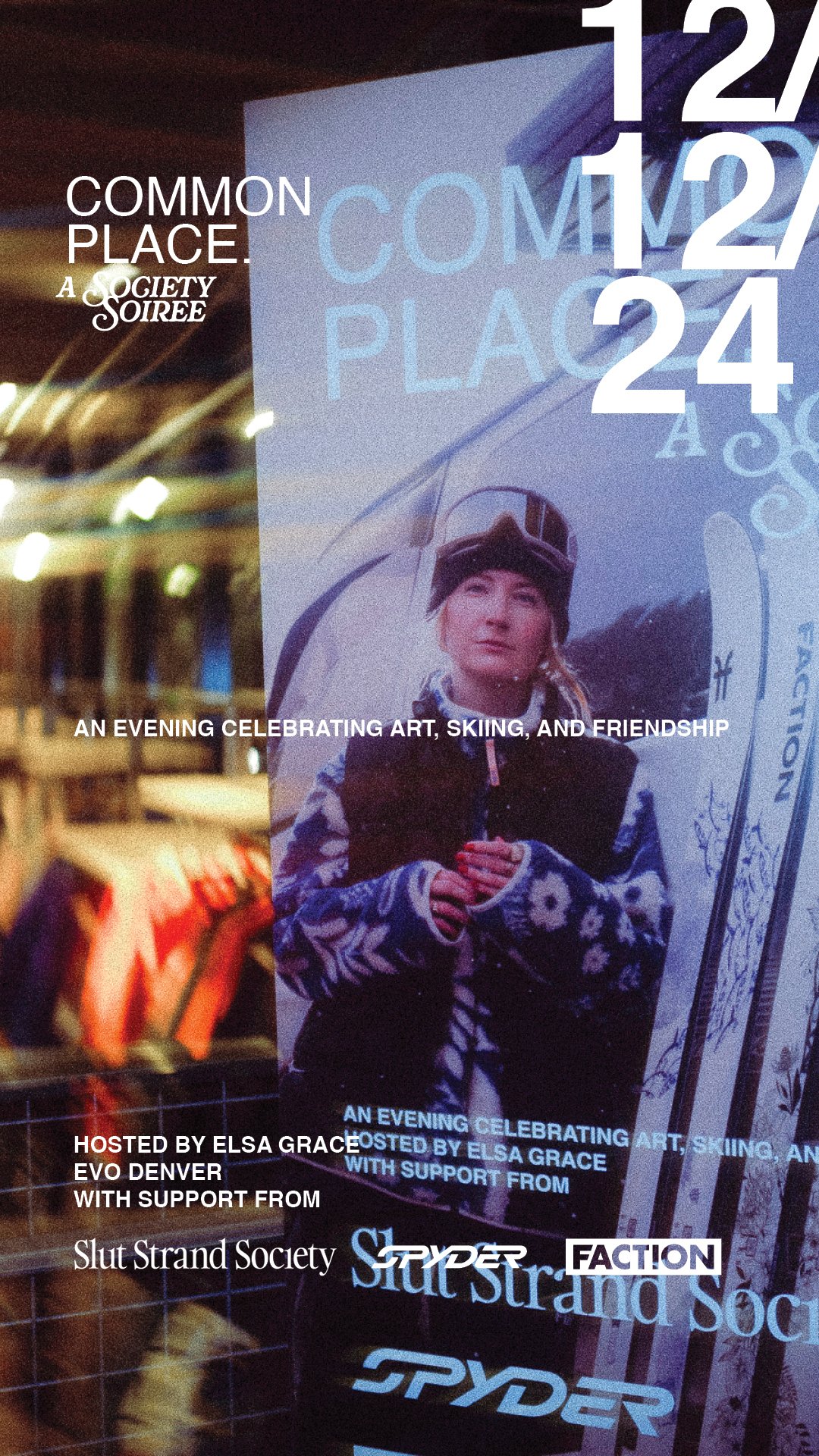
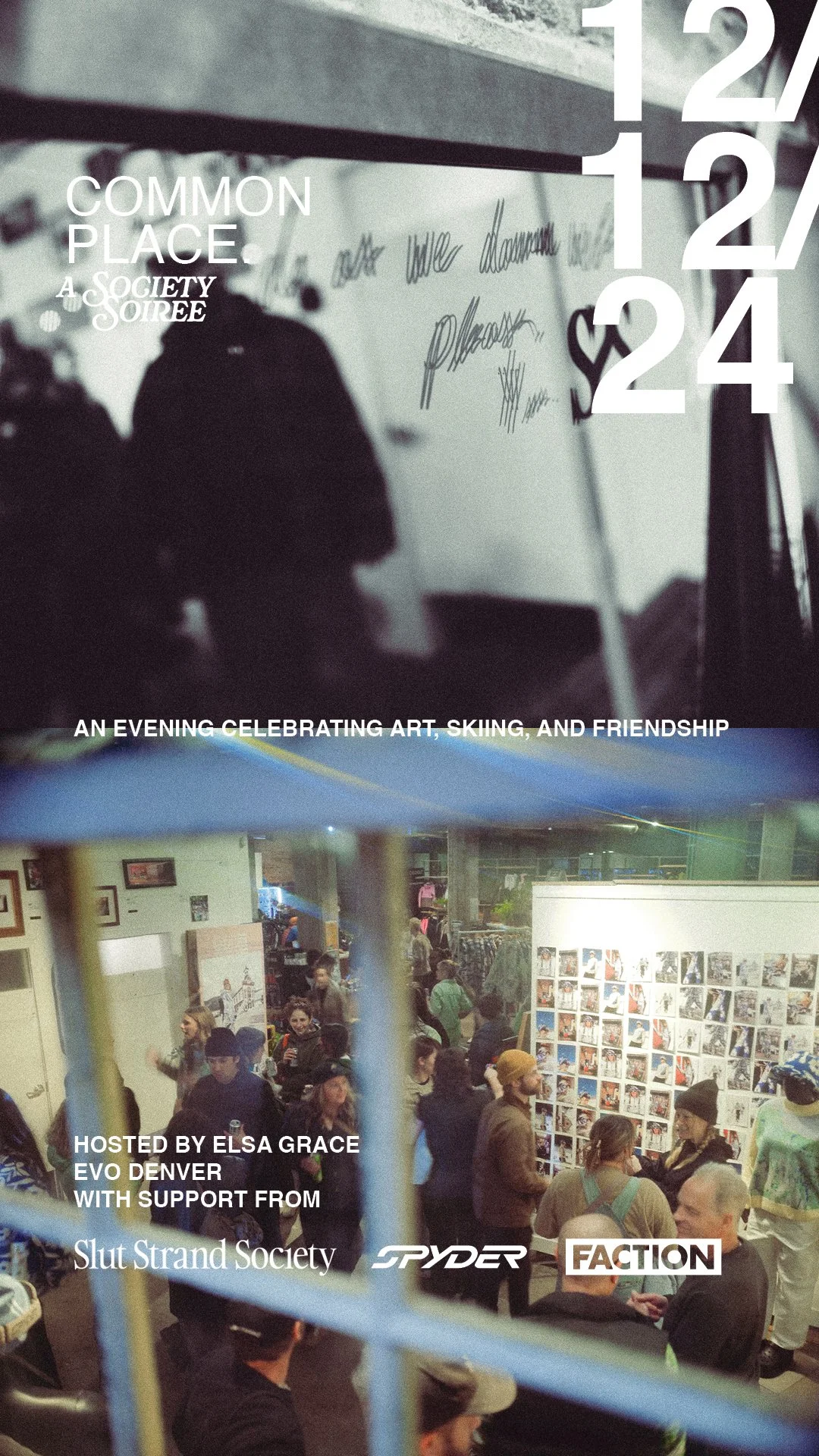
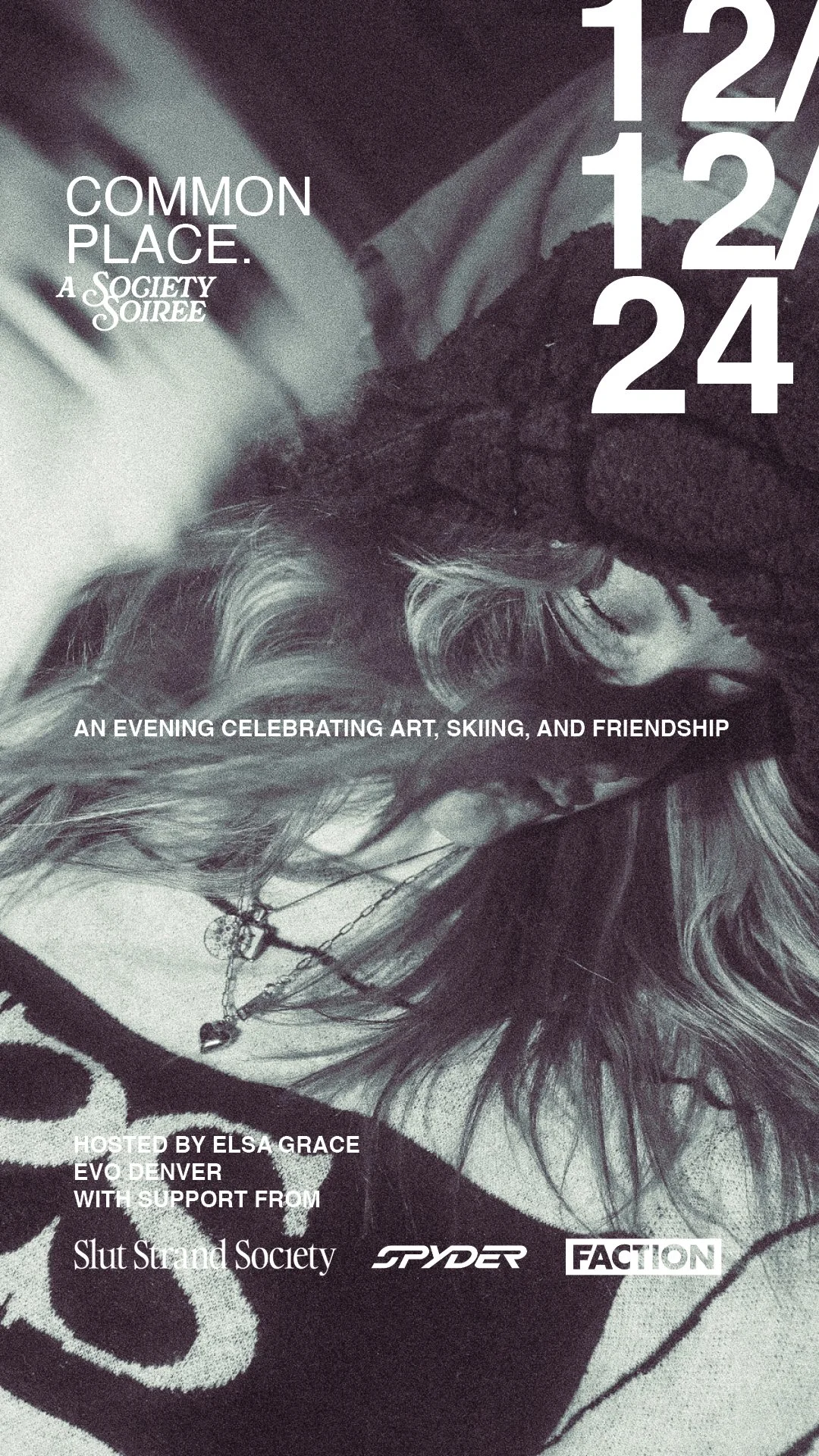
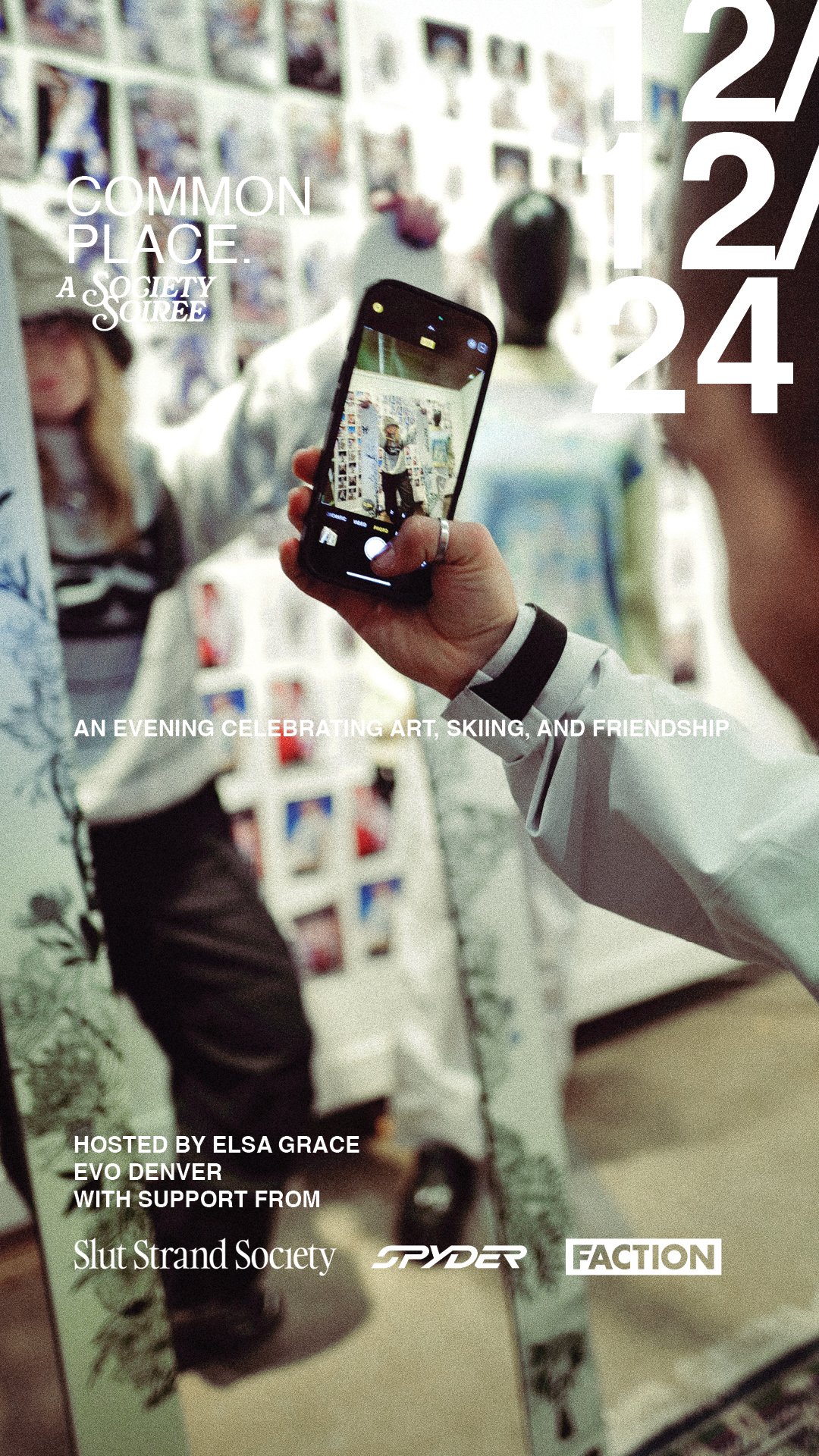
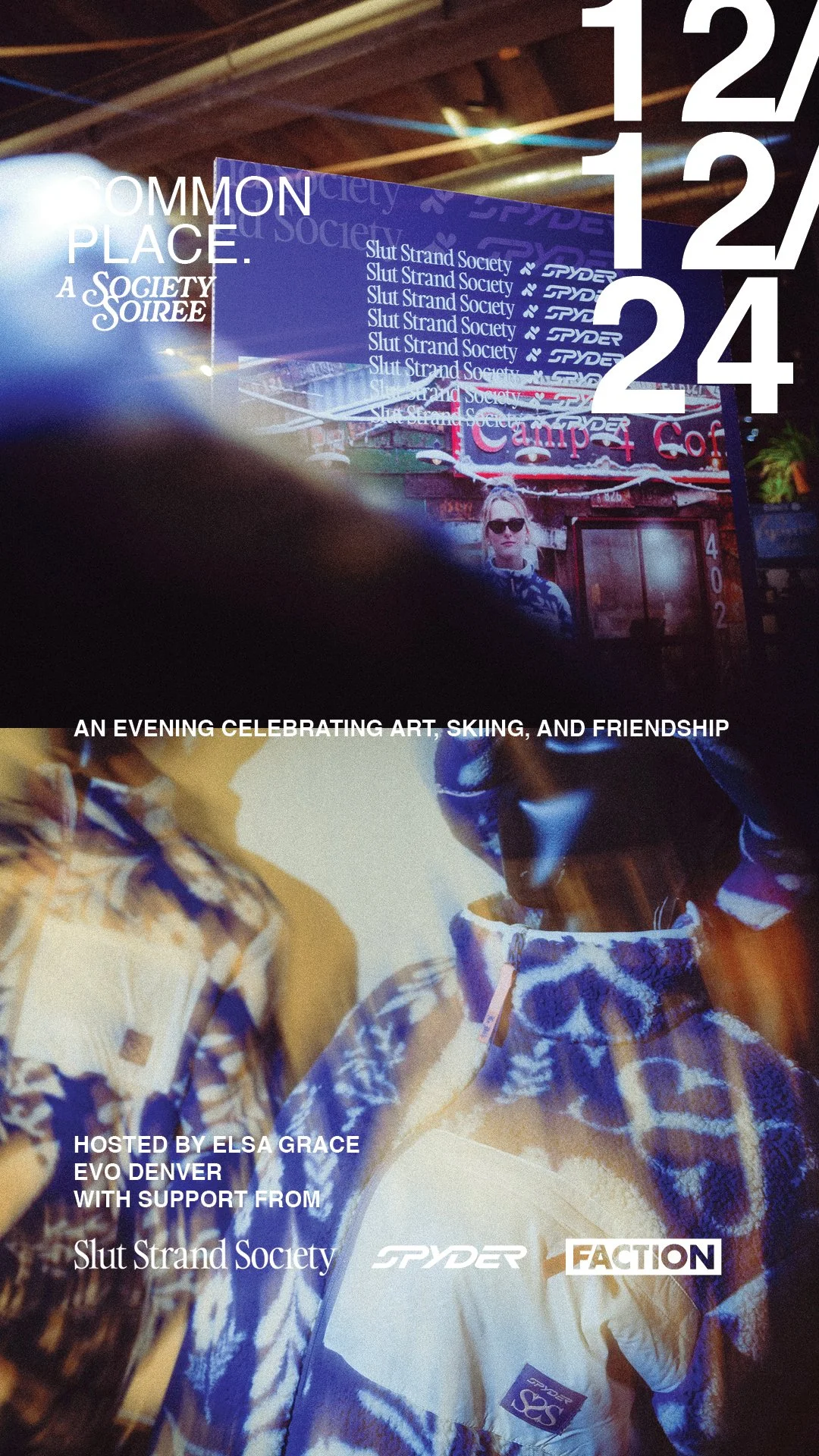
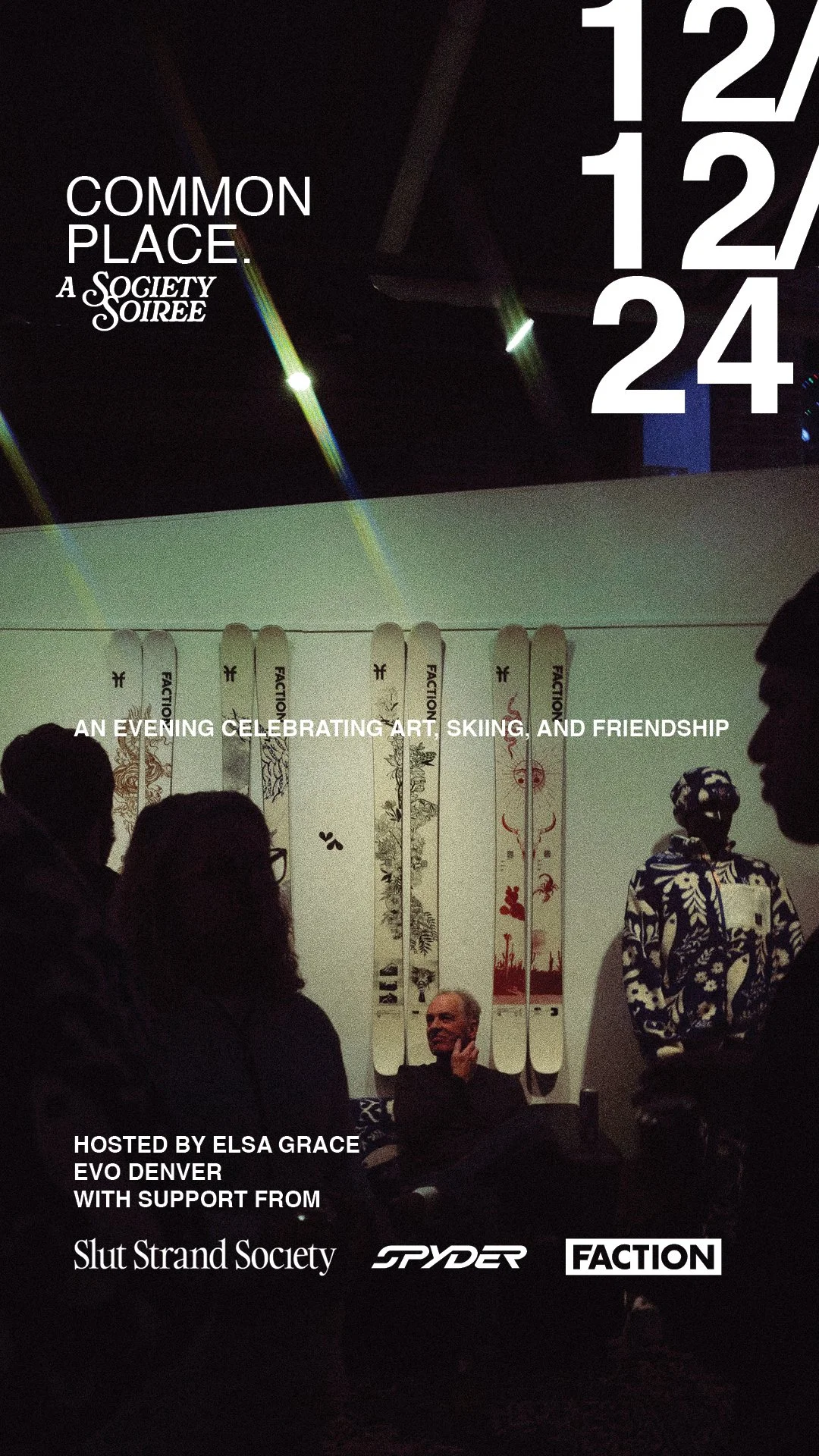
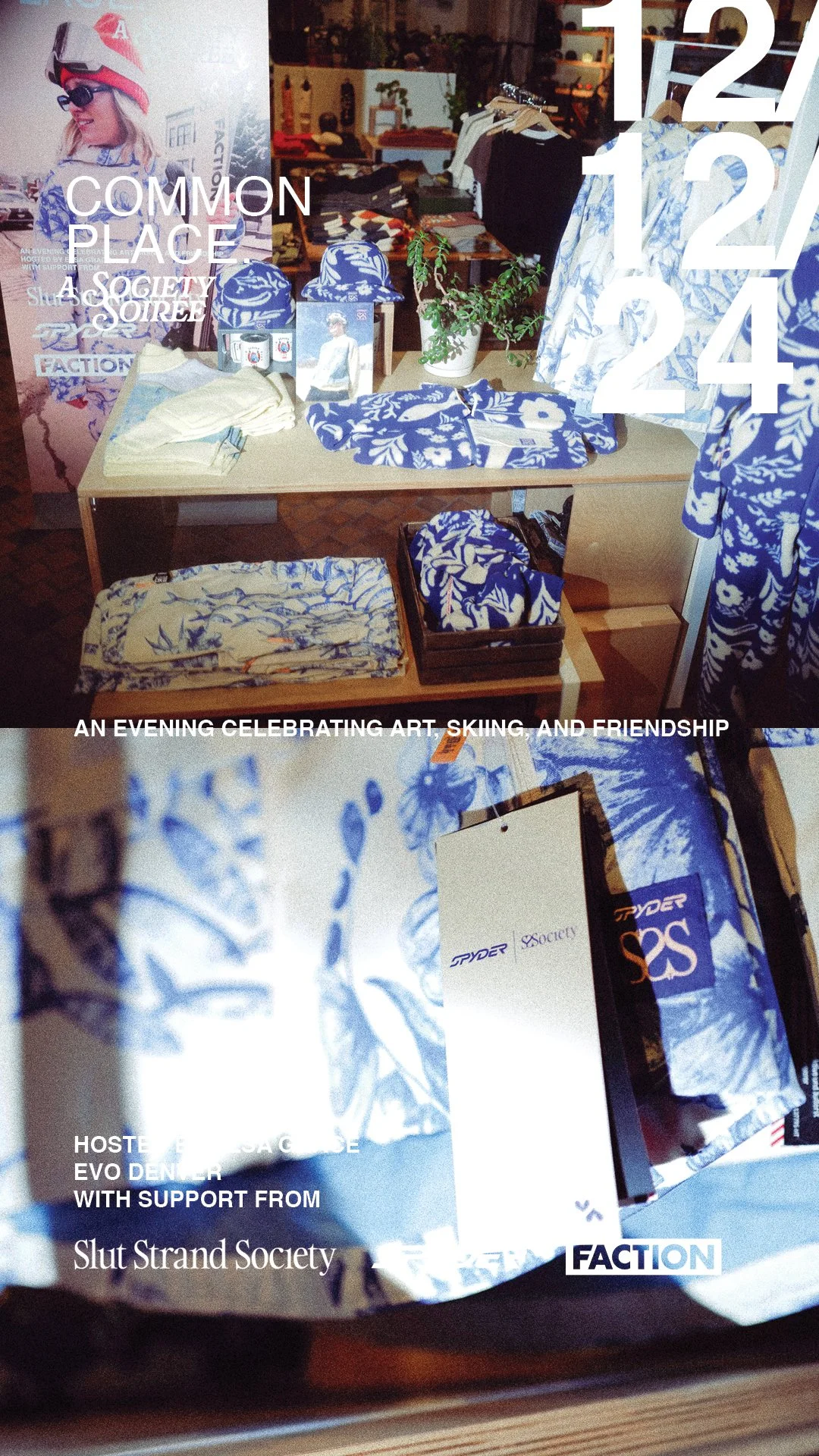
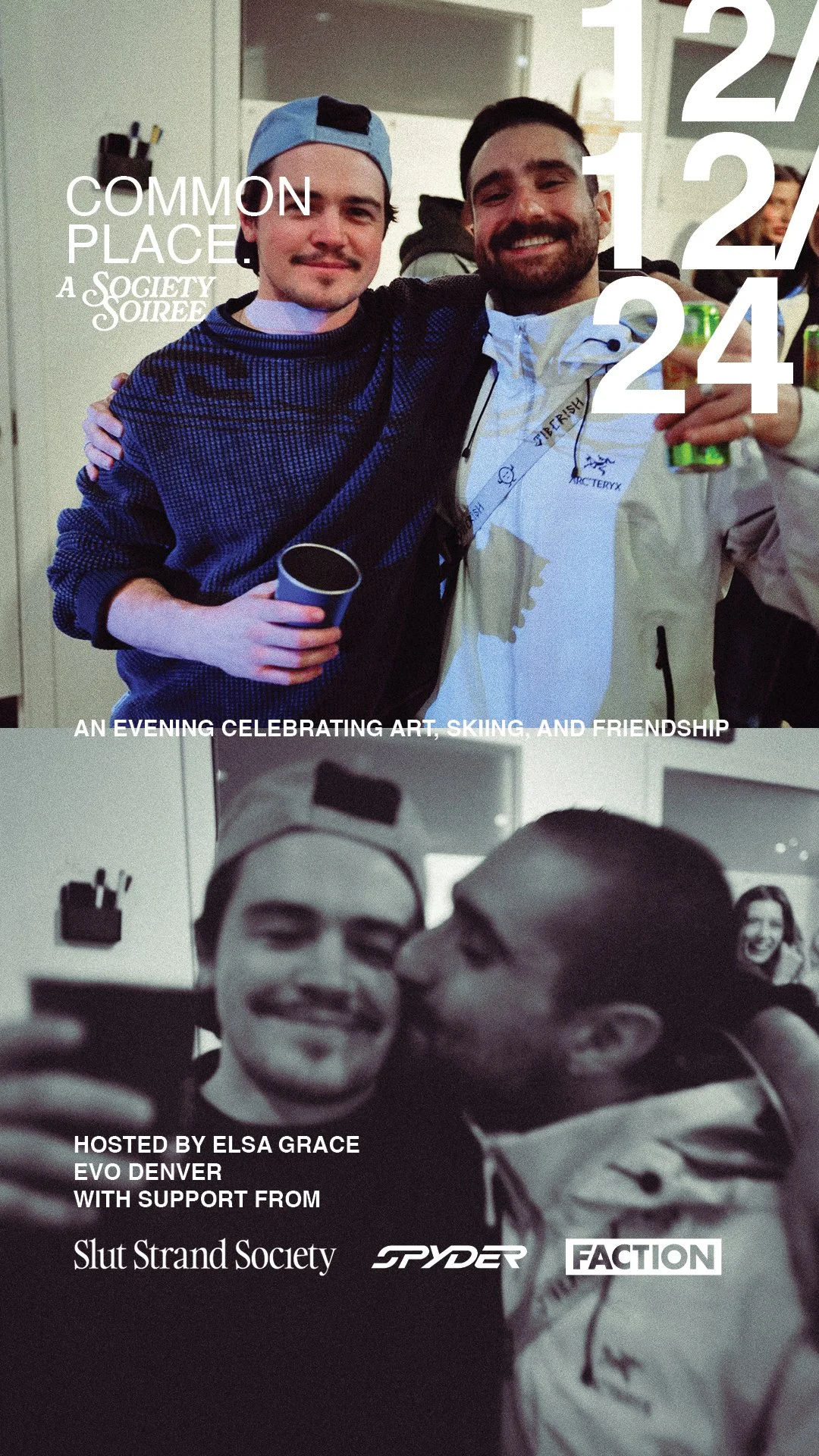
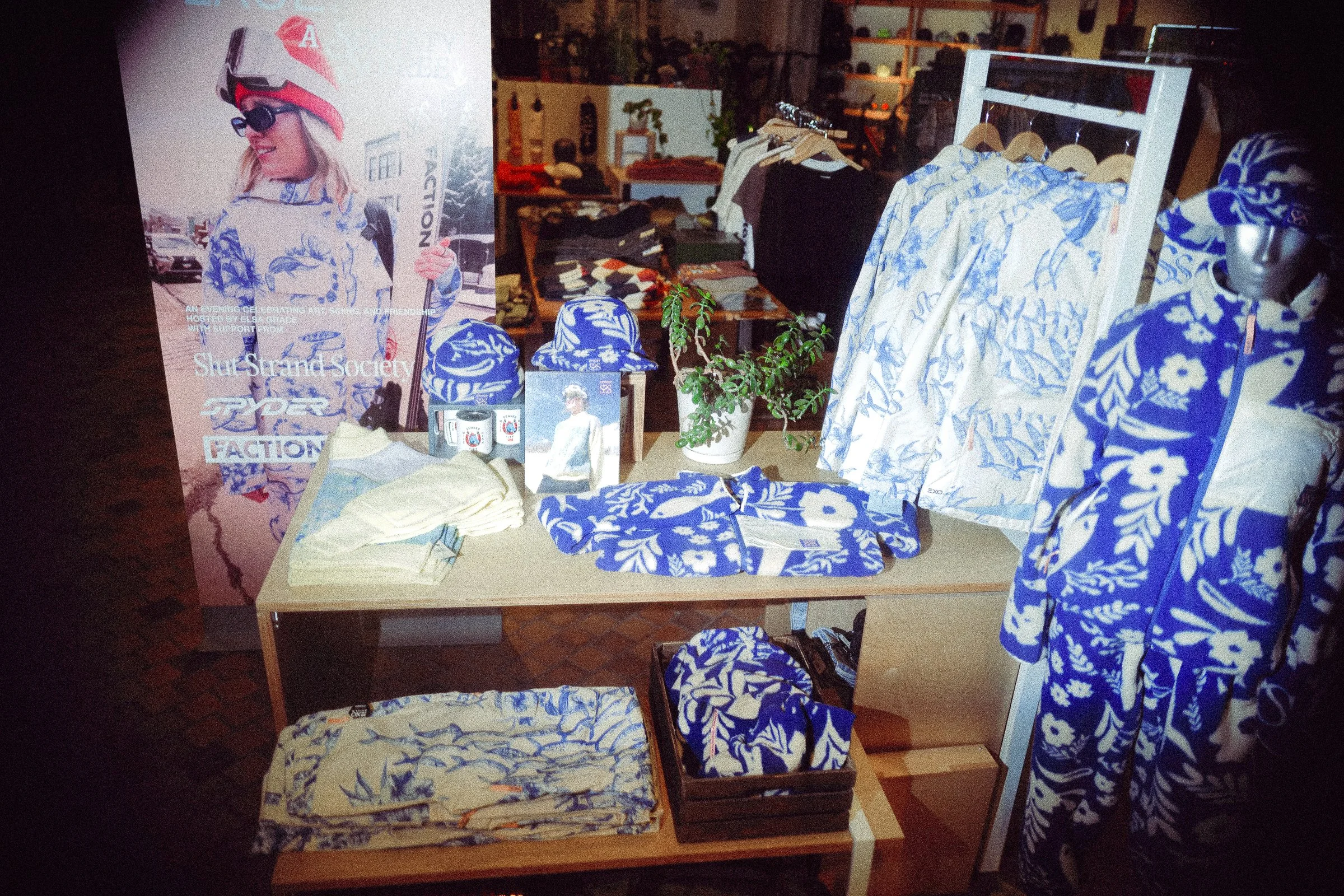
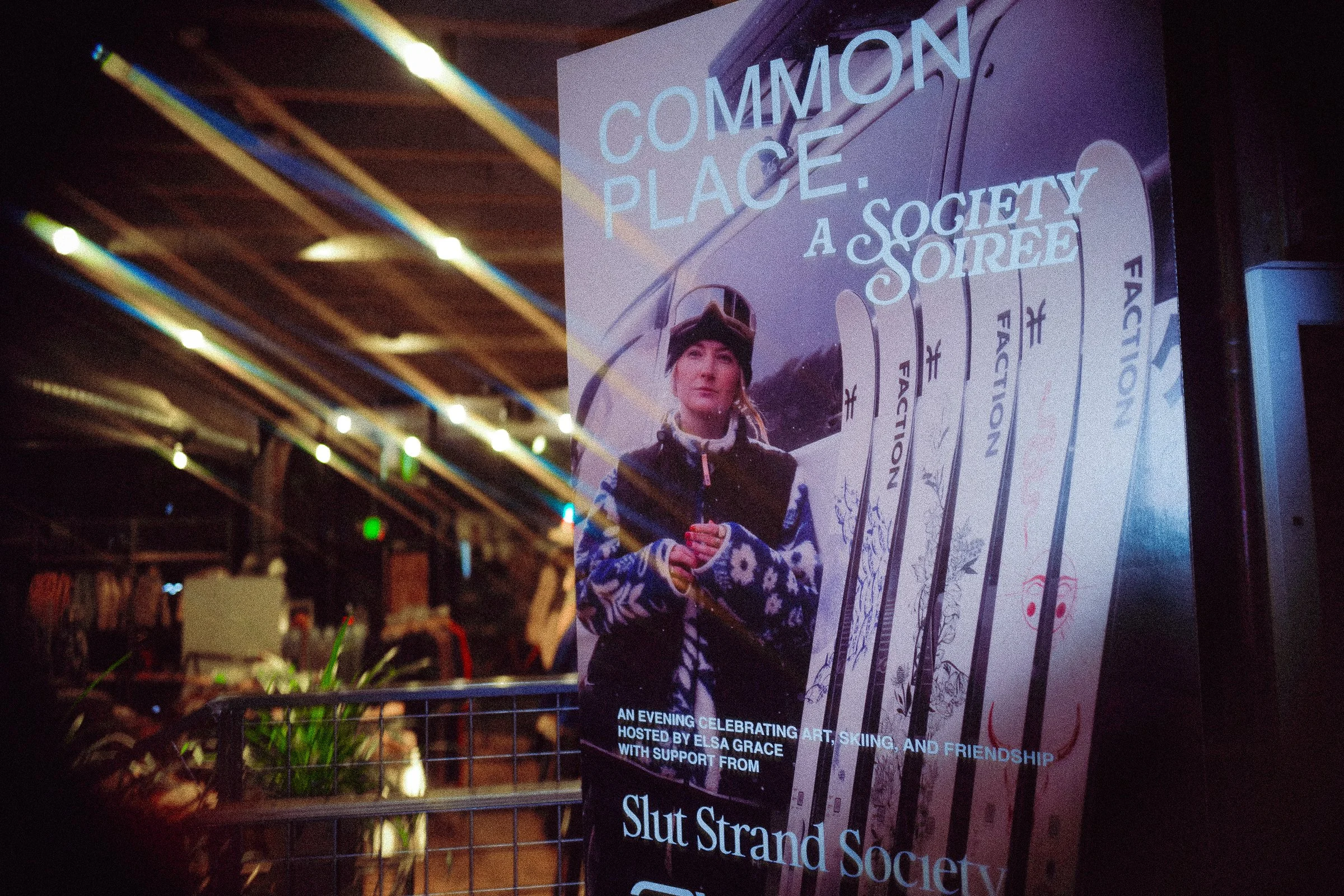
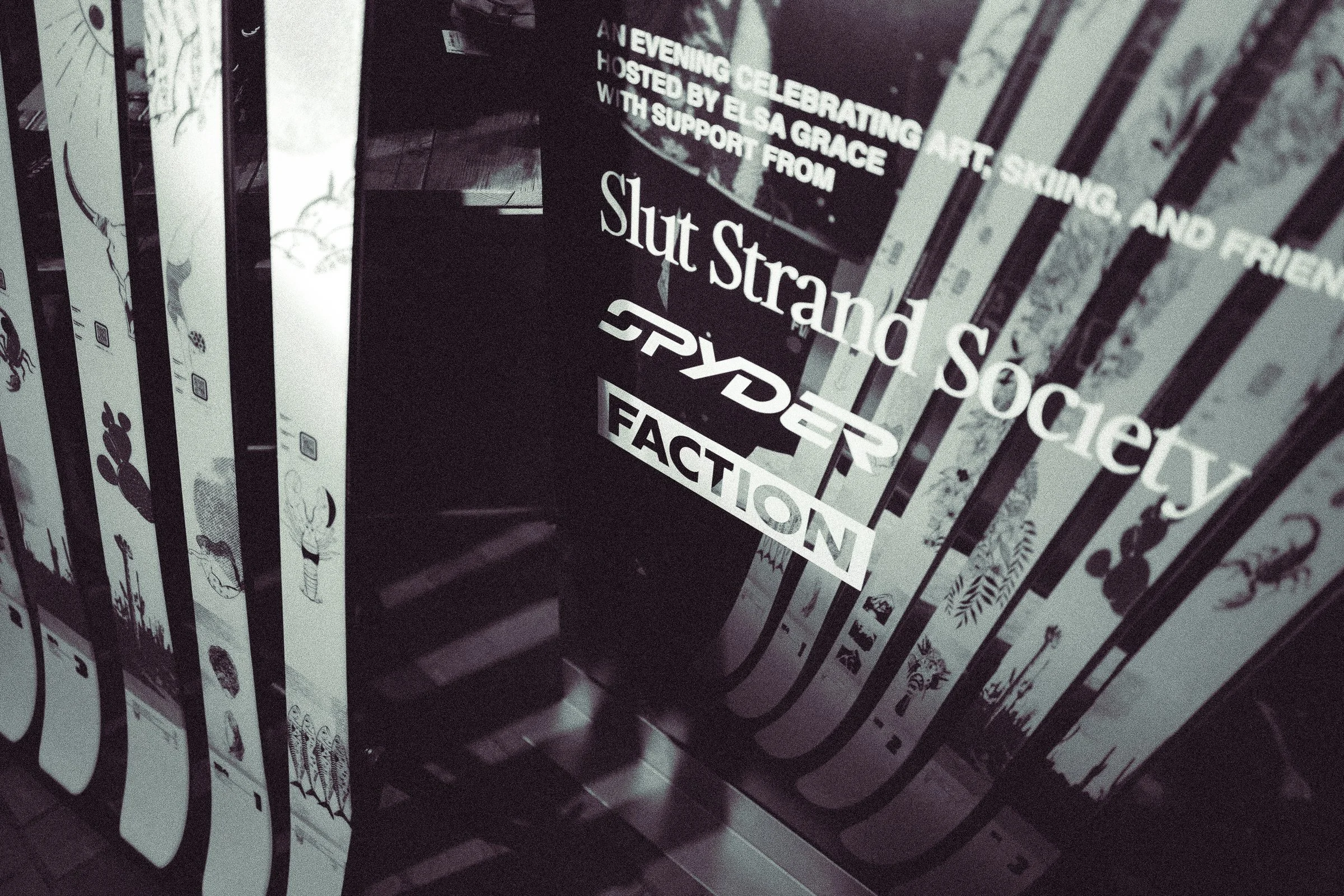
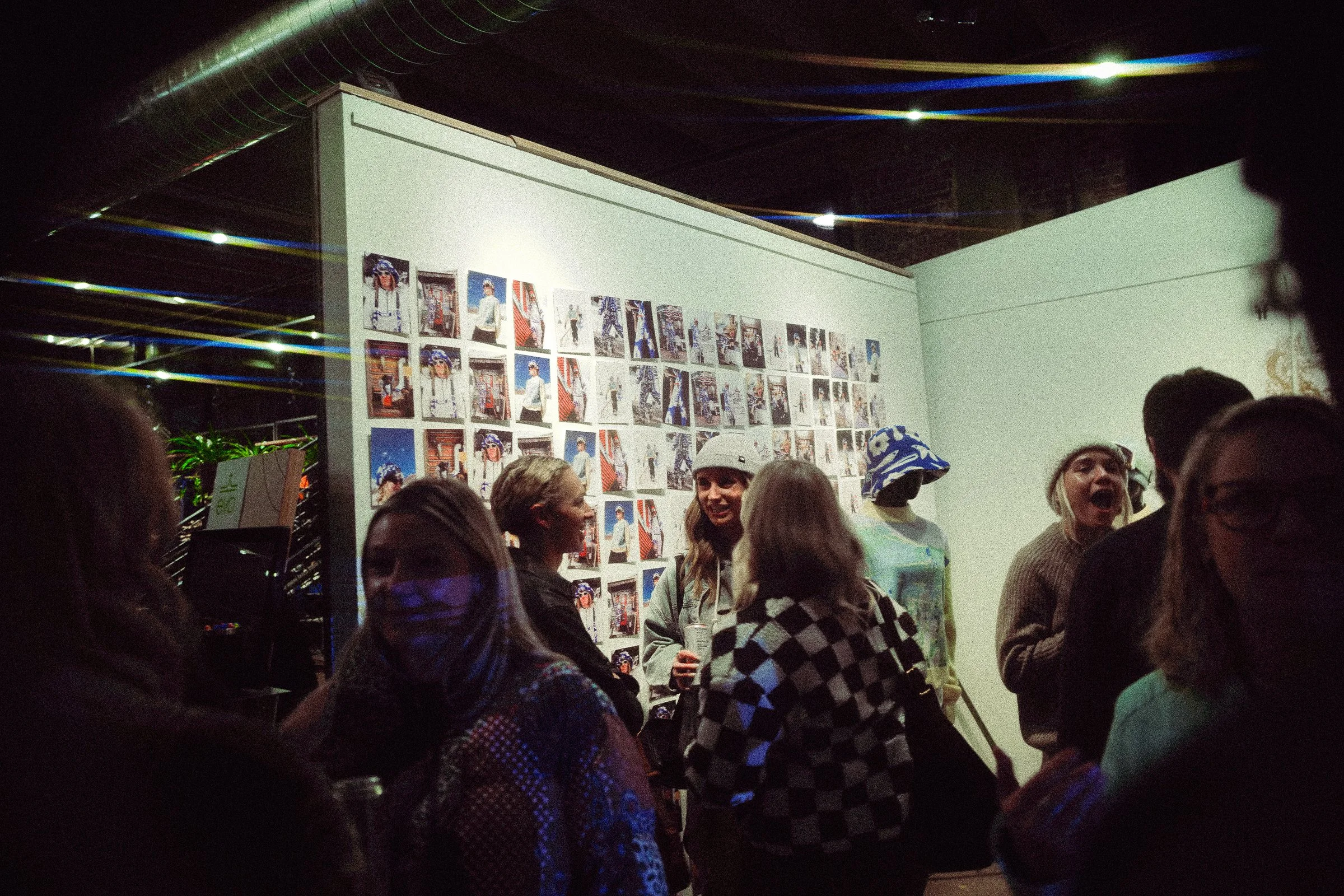
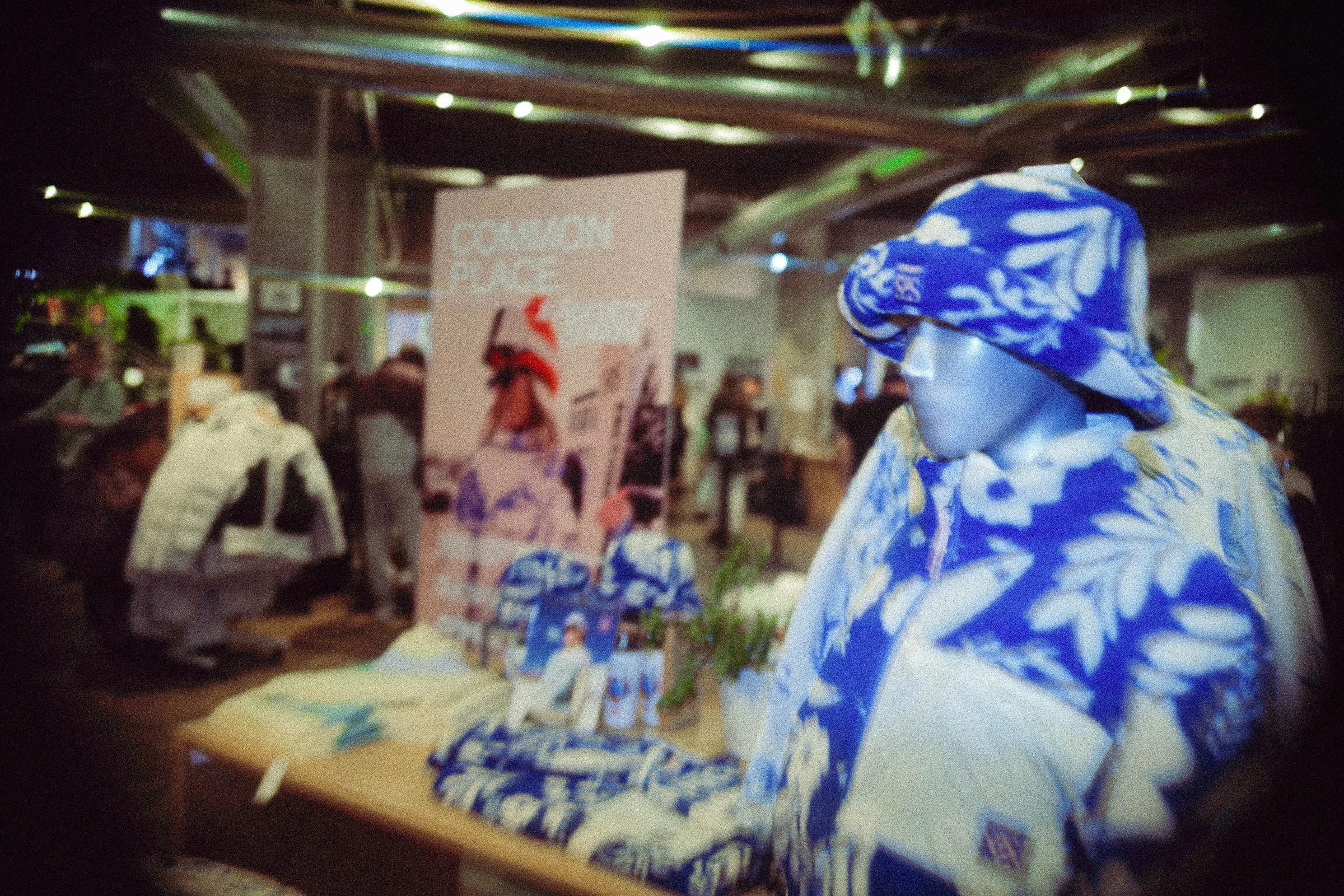
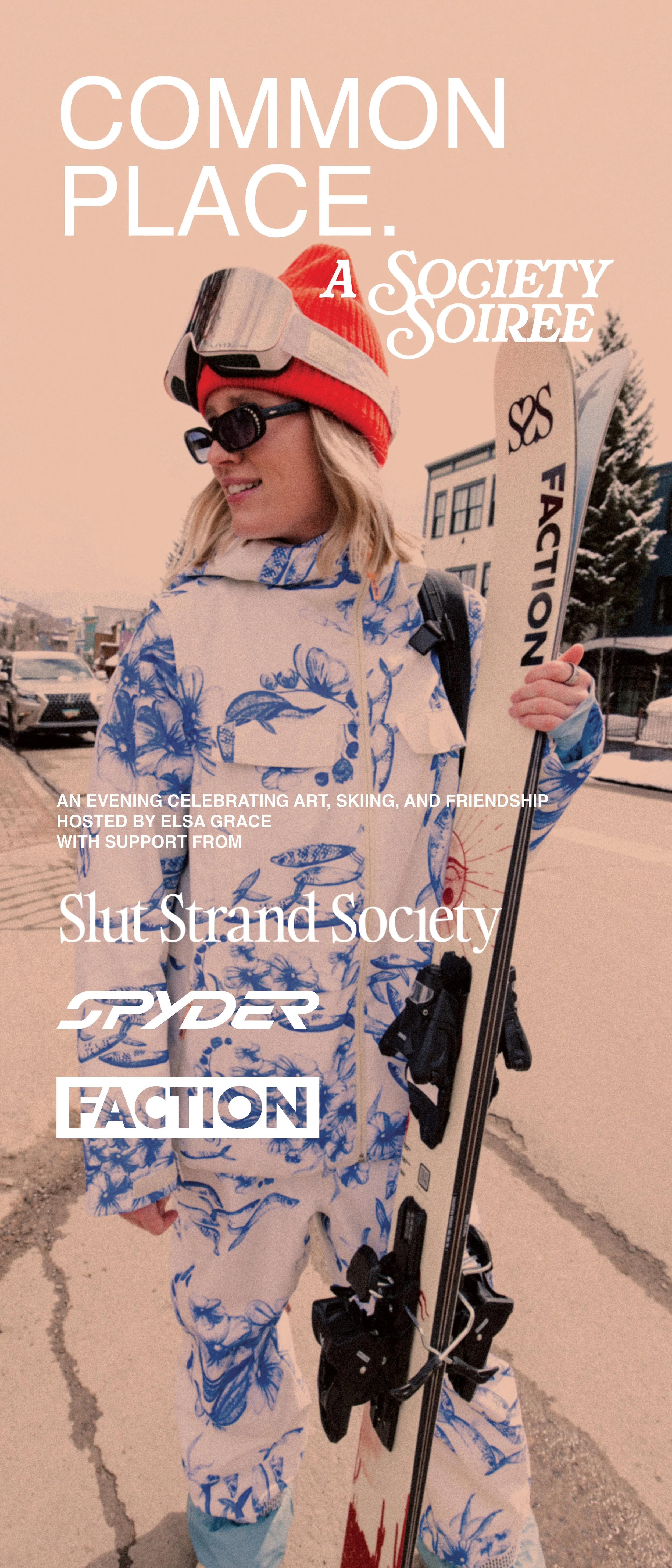
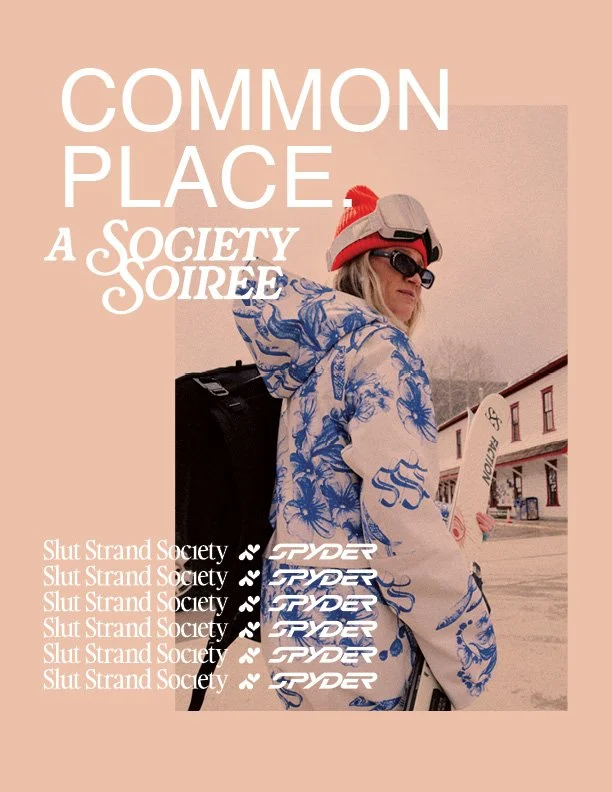
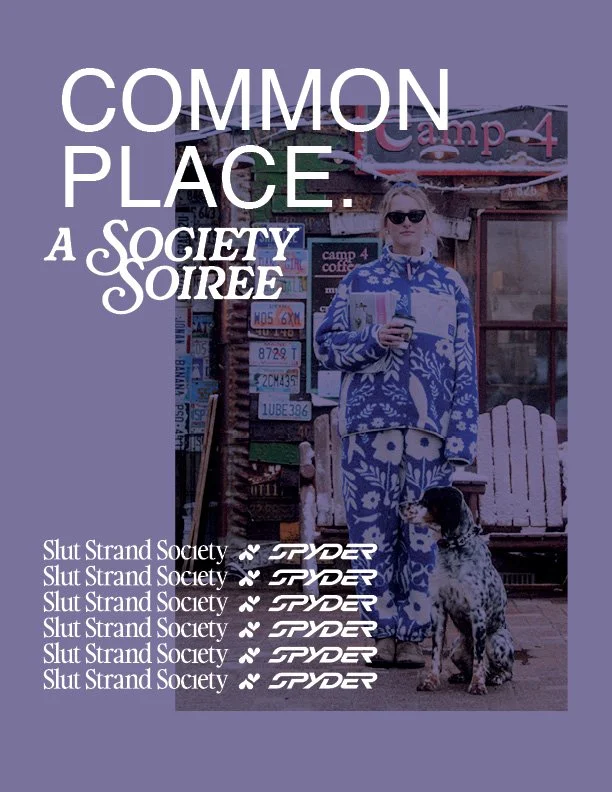
The centerpiece was "Common Place," a retail event hosted at evo Denver in December 2024 to celebrate the collection launch. CSR Lab designed the experience and wrote the brief on behalf of all four partners: Spyder, SSS, evo, and Faction Skis.
The environment was shaped around one insight: the only way to convert a cringe sensitive audience in a retail setting is to make the space feel like theirs. That meant try on activations, custom retail graphics, floor planning and merchandising, and one detail that landed harder than anything else: hundreds of original postcards, designed and printed for guests to write messages and send to friends with free postage. Analog sharing in the digital age. The goal wasn't just attendance or purchase, it was advocacy. The kind of experience that makes someone need to tell a friend.
The event name was created by CSR Lab as a nod to Elsa's design inspiration: the locations close to her heart that shaped the collection. The places we love may be common, but they are anything but ordinary. All partners adopted the title immediately.



What changed
The Spyder x SSS collection sold out on Spyder DTC, and evo moved through the majority of their in store inventory during the event itself. The goal was to sell enough product to justify a second season, and confirmation came fast.
Spyder and SSS are now heading into their third season together, with distribution expanding across North America and Europe. evo remains the specialty retail partner, and many of the original print assets CSR Lab created are still standing in Spyder's corporate office.
Elsa's profile has continued to rise. SSS now partners with Db Journey, Faction Skis, Venom, and others, and what started as an Instagram channel and a line of lifestyle apparel has become one of the most credible independent voices in women's outdoor culture.
Why it matters
This is brand building at the community level. Identity, ecommerce, retail, events, and social, all designed to serve a niche audience that polices credibility harder than any mass market. The work required knowing when to lead and when to protect, when to apply precision and when to let something feel handmade.
The collaboration proved the model: authenticity converts when the infrastructure is built to support it. Three seasons and counting.